
A documentary exploring the stories, memories, and identities of the first generation of Turkish guest workers in Germany.
ROLE
Co-Director
I worked closely on the creative vision, visual storytelling, and overall direction of the documentary from concept to final release.
Director of Photography
Planned and filmed the documentary, creating the visual style through camera work, framing, lighting, and composition.
Editor
Edited the complete documentary, shaping the narrative, pacing, and emotional flow from raw footage to the final film.
Sound Design
Cleaned, edited, and mixed the audio to create a clear and immersive listening experience.
Color Grading
Developed the film’s final look through color correction and grading to achieve a consistent cinematic style.
Visual Identity
Designed the complete visual identity, including the official poster, typography, social media assets, exhibition graphics, and promotional materials.
Motion Design & Animation
Created motion graphics and animations to support the documentary and strengthen its visual communication.
Exhibition Design
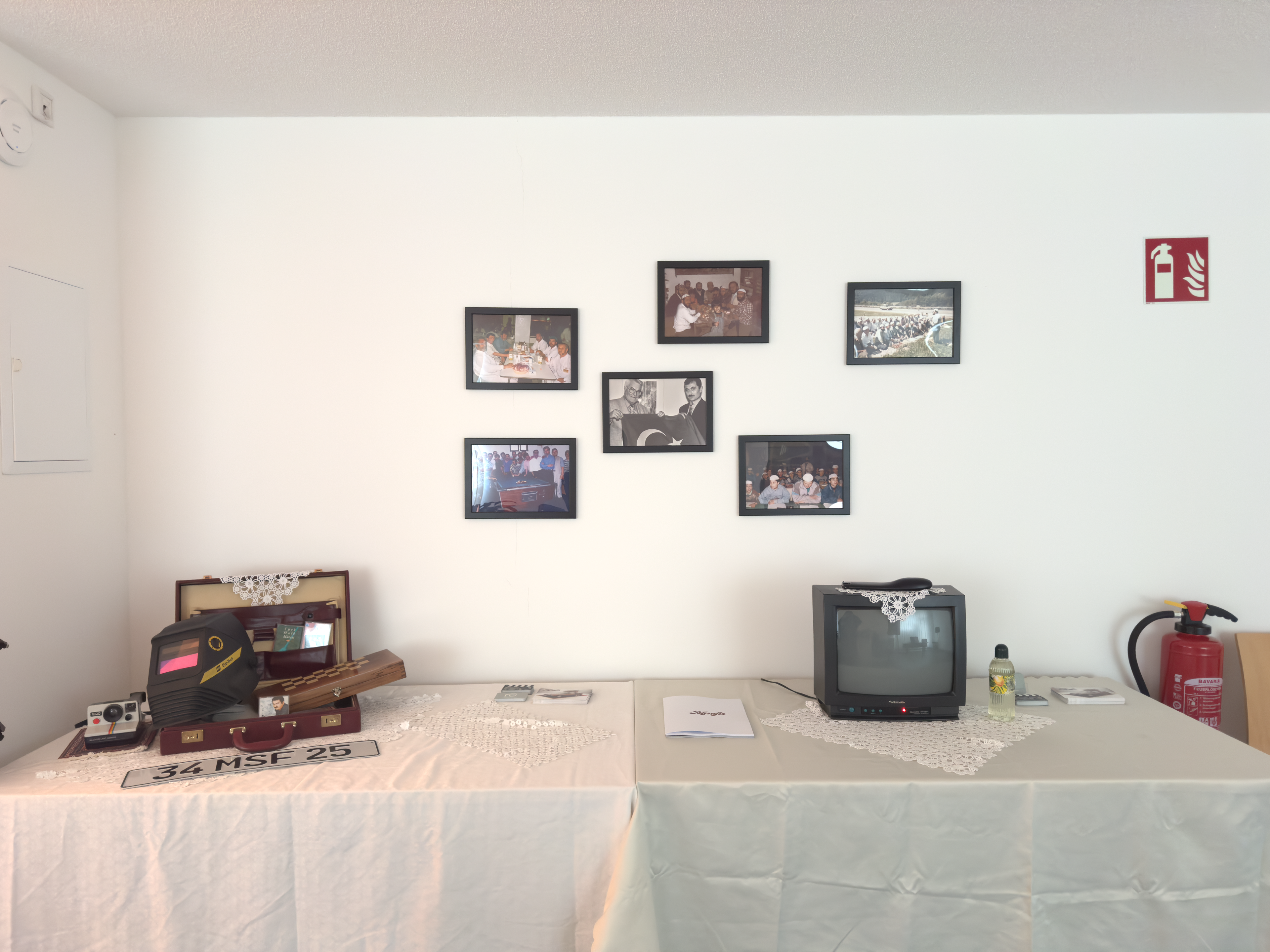
Developed the accompanying exhibition, including the visual concept, printed materials, interactive elements, and spatial presentation.
Research
Supported the research process by collecting references, archival material, and visual inspiration throughout the project.
Production
Assisted in planning and coordinating different stages of the production, from preparation to final delivery.
I worked closely on the creative vision, visual storytelling, and overall direction of the documentary from concept to final release.
Director of Photography
Planned and filmed the documentary, creating the visual style through camera work, framing, lighting, and composition.
Editor
Edited the complete documentary, shaping the narrative, pacing, and emotional flow from raw footage to the final film.
Sound Design
Cleaned, edited, and mixed the audio to create a clear and immersive listening experience.
Color Grading
Developed the film’s final look through color correction and grading to achieve a consistent cinematic style.
Visual Identity
Designed the complete visual identity, including the official poster, typography, social media assets, exhibition graphics, and promotional materials.
Motion Design & Animation
Created motion graphics and animations to support the documentary and strengthen its visual communication.
Exhibition Design
Developed the accompanying exhibition, including the visual concept, printed materials, interactive elements, and spatial presentation.
Research
Supported the research process by collecting references, archival material, and visual inspiration throughout the project.
Production
Assisted in planning and coordinating different stages of the production, from preparation to final delivery.
THE STORY
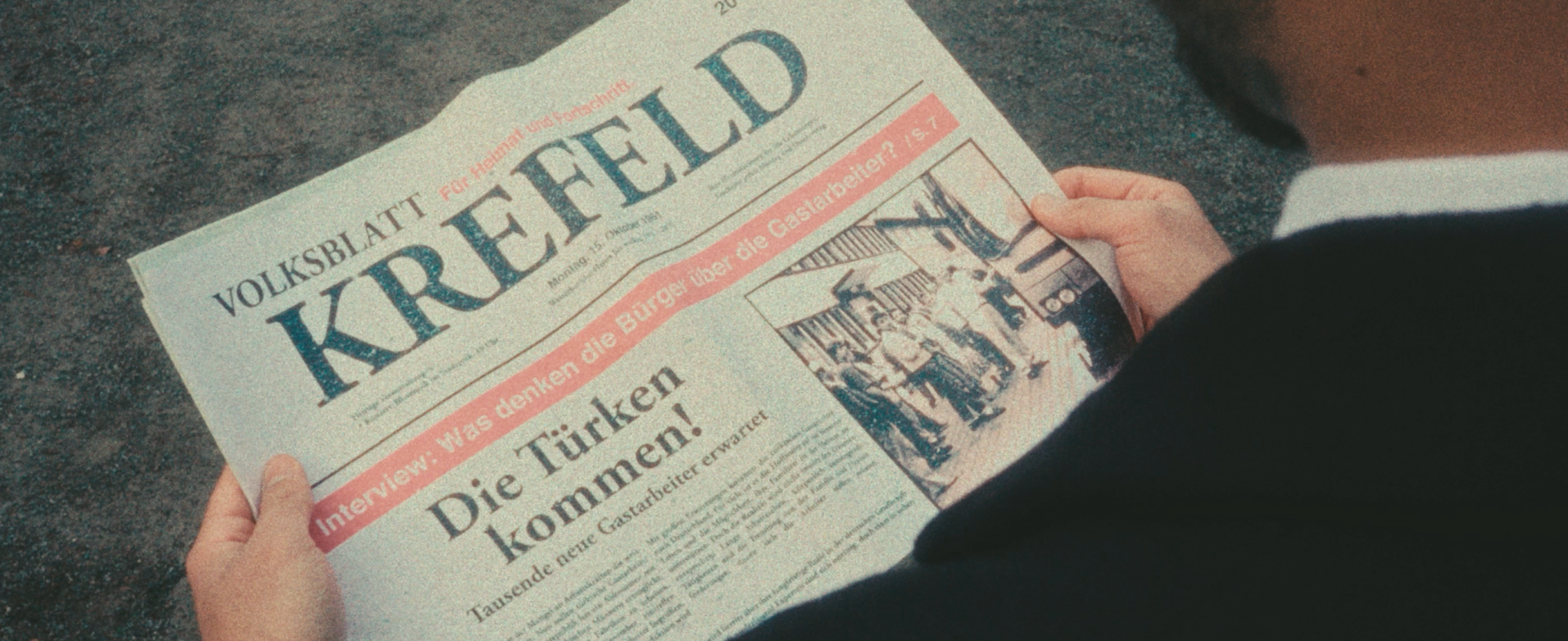
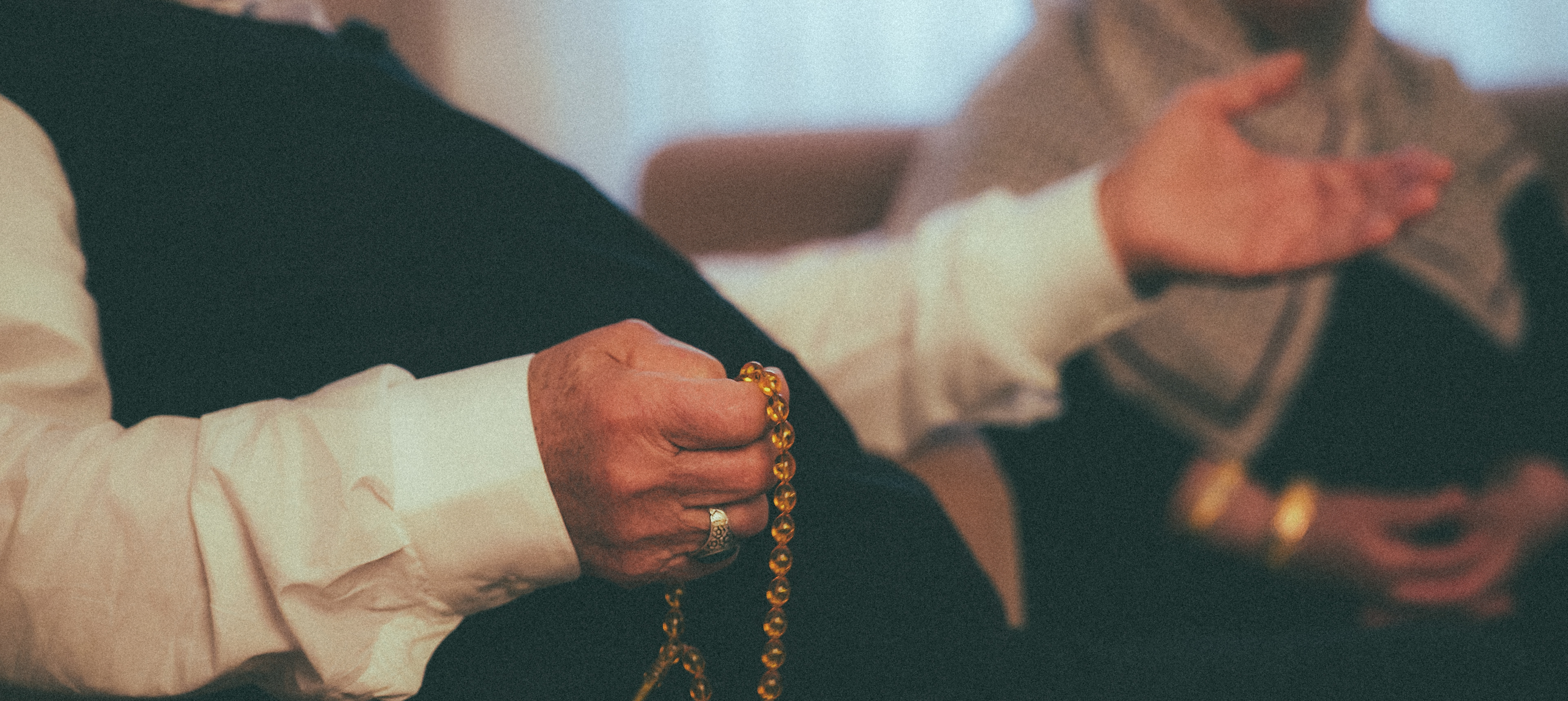
MISAFIR is a short documentary about the first generation of Turkish guest workers in Krefeld. Through intimate conversations, family memories, and everyday moments, the film explores migration, identity, belonging, and the lasting impact of cultural heritage across generations. More than a historical documentary, MISAFIR is a visual archive of stories and memories that deserve to be preserved. Named after the Turkish word for “guest,” the project reflects on a term that once defined an entire generation and continues to shape conversations around identity and belonging today.
VISUAL LANGUAGE
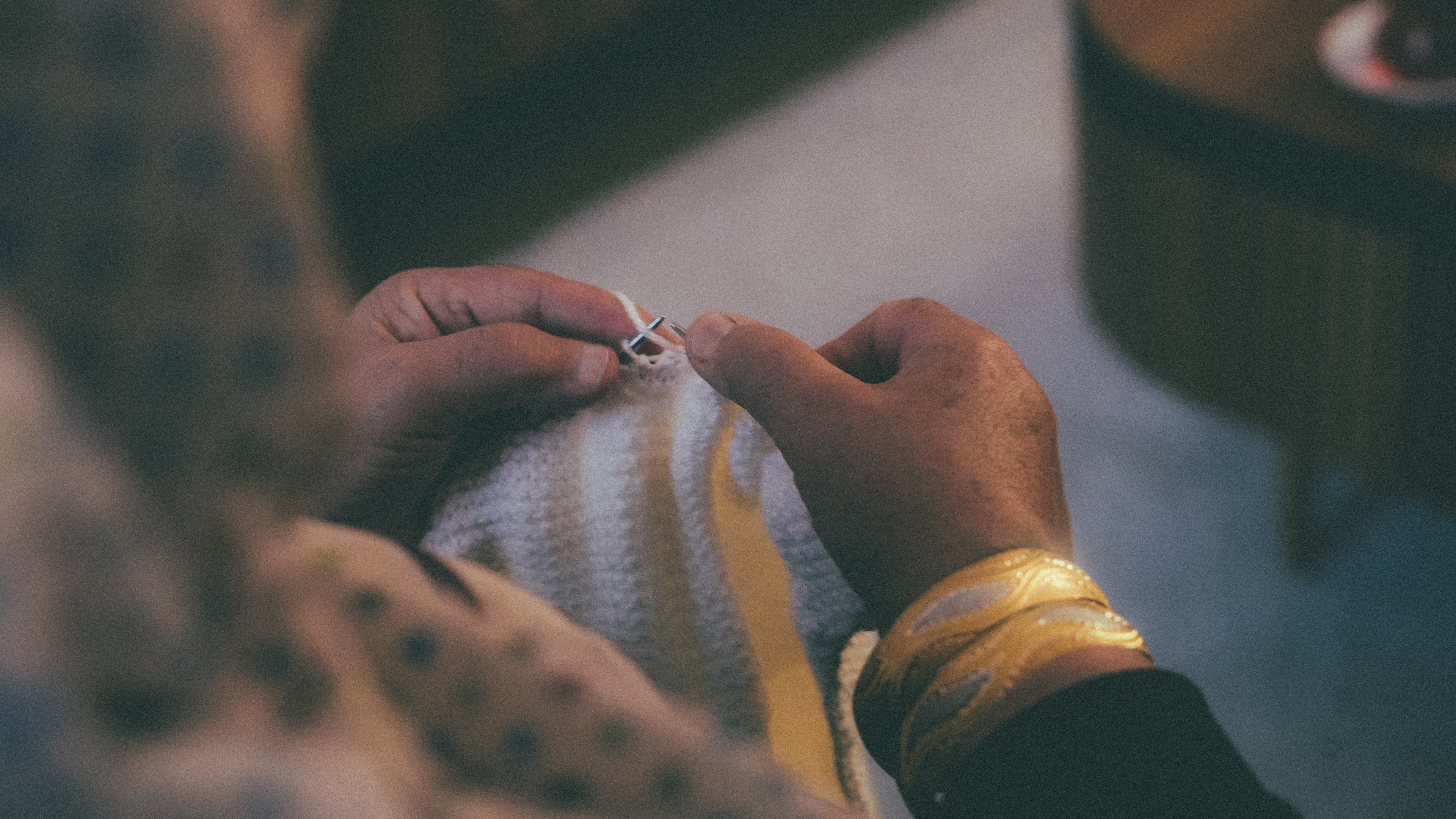
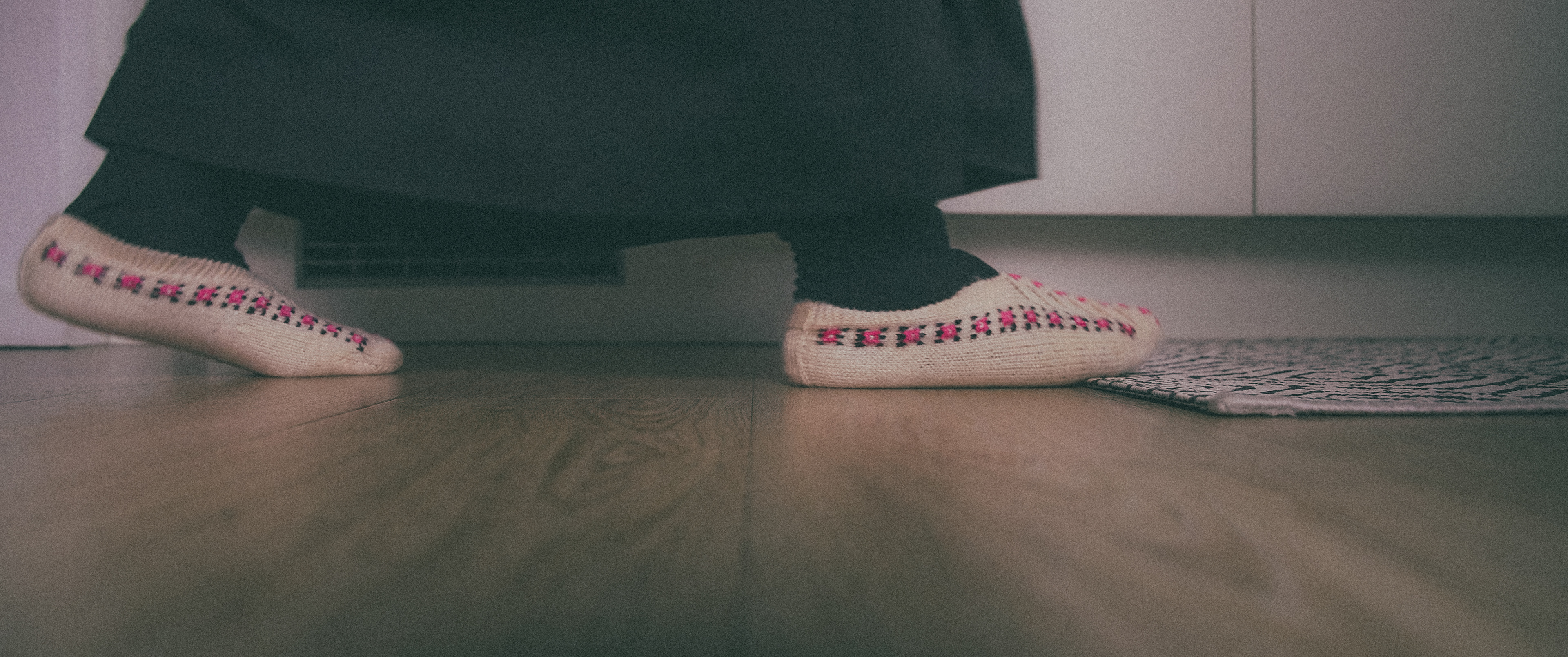
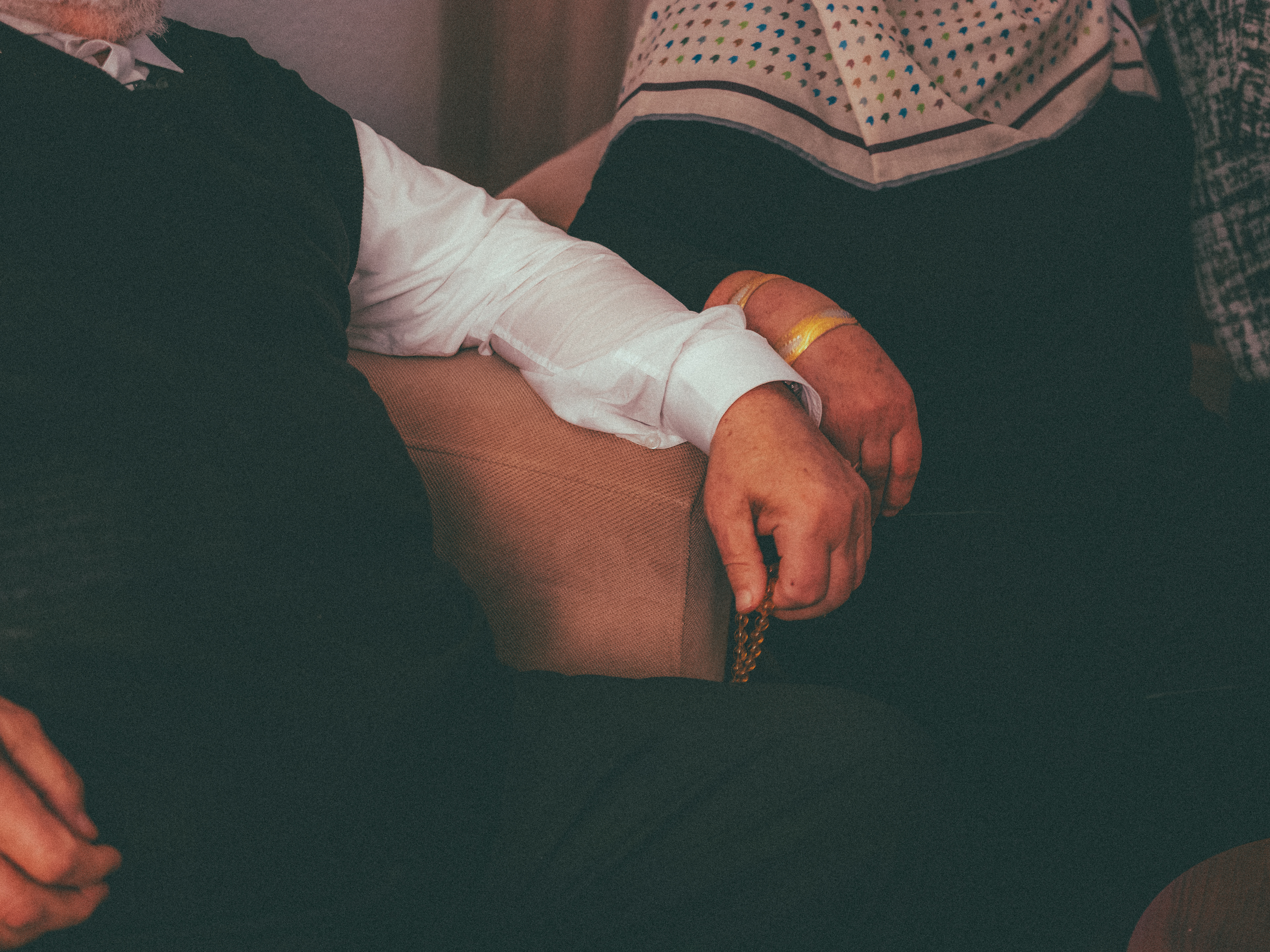
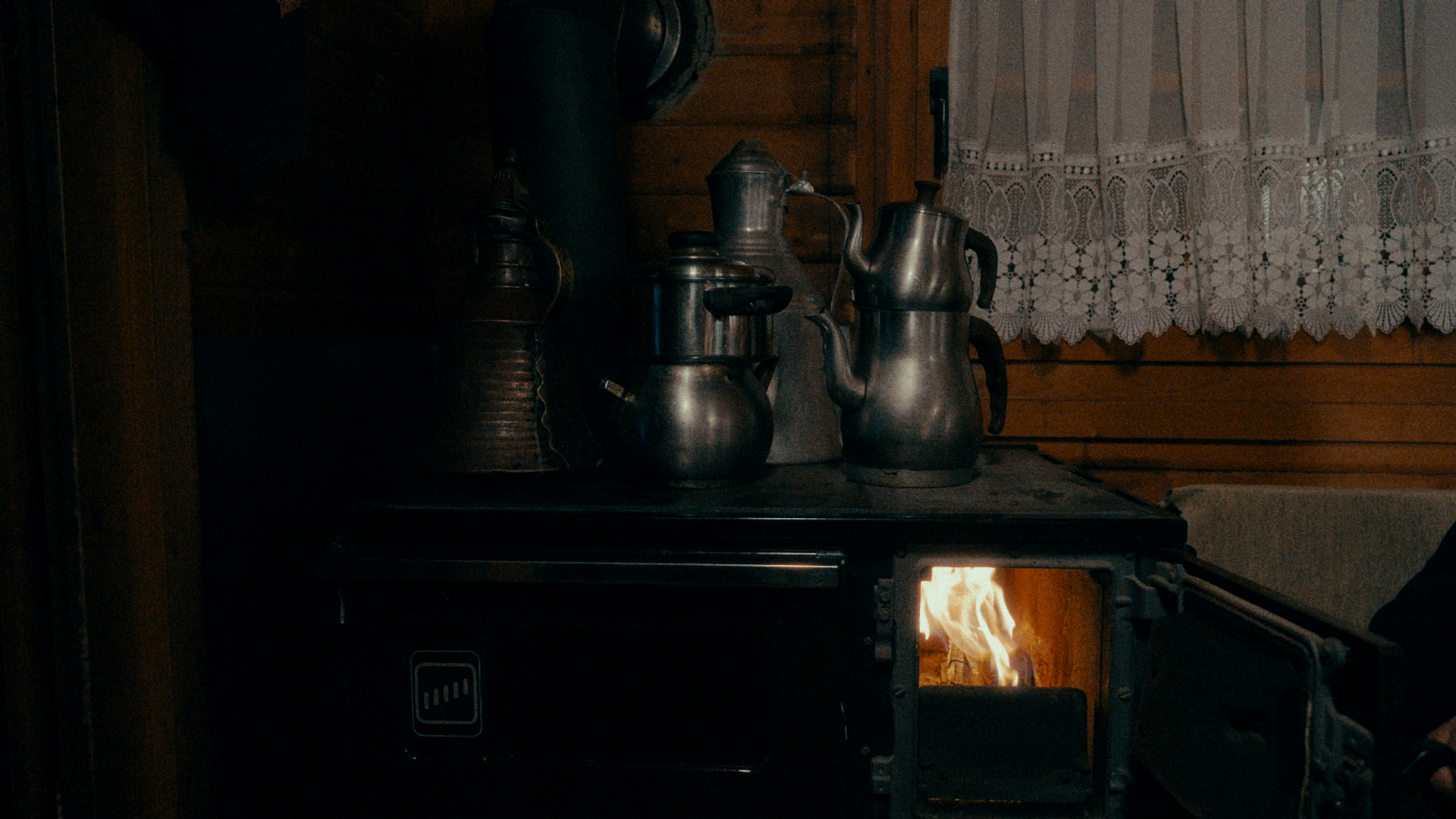
MAKING THE FILM
01 – RESEARCH
The project began as a deeply personal project. Growing up in Germany with Bosnian-Turkish roots, I was surrounded by stories of migration from an early age. My grandmother came to Germany as a single mother in search of a better future, and her experiences shaped the way I understand identity, belonging, and cultural heritage. Those family stories became the starting point for further research into the history of Turkish guest workers in Germany. Through conversations, archival research, and interviews with different families, the project grew into an attempt to preserve personal memories that might otherwise be forgotten.
02 – ON SET
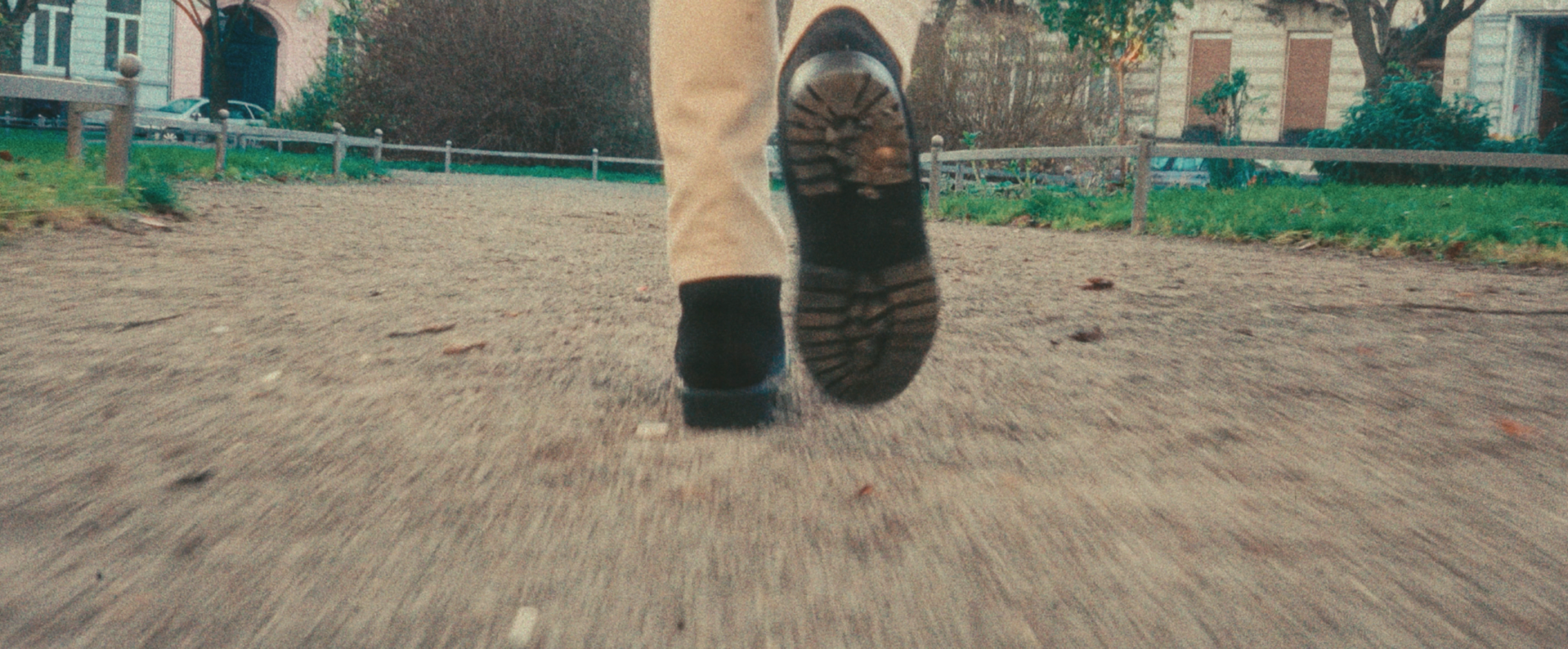
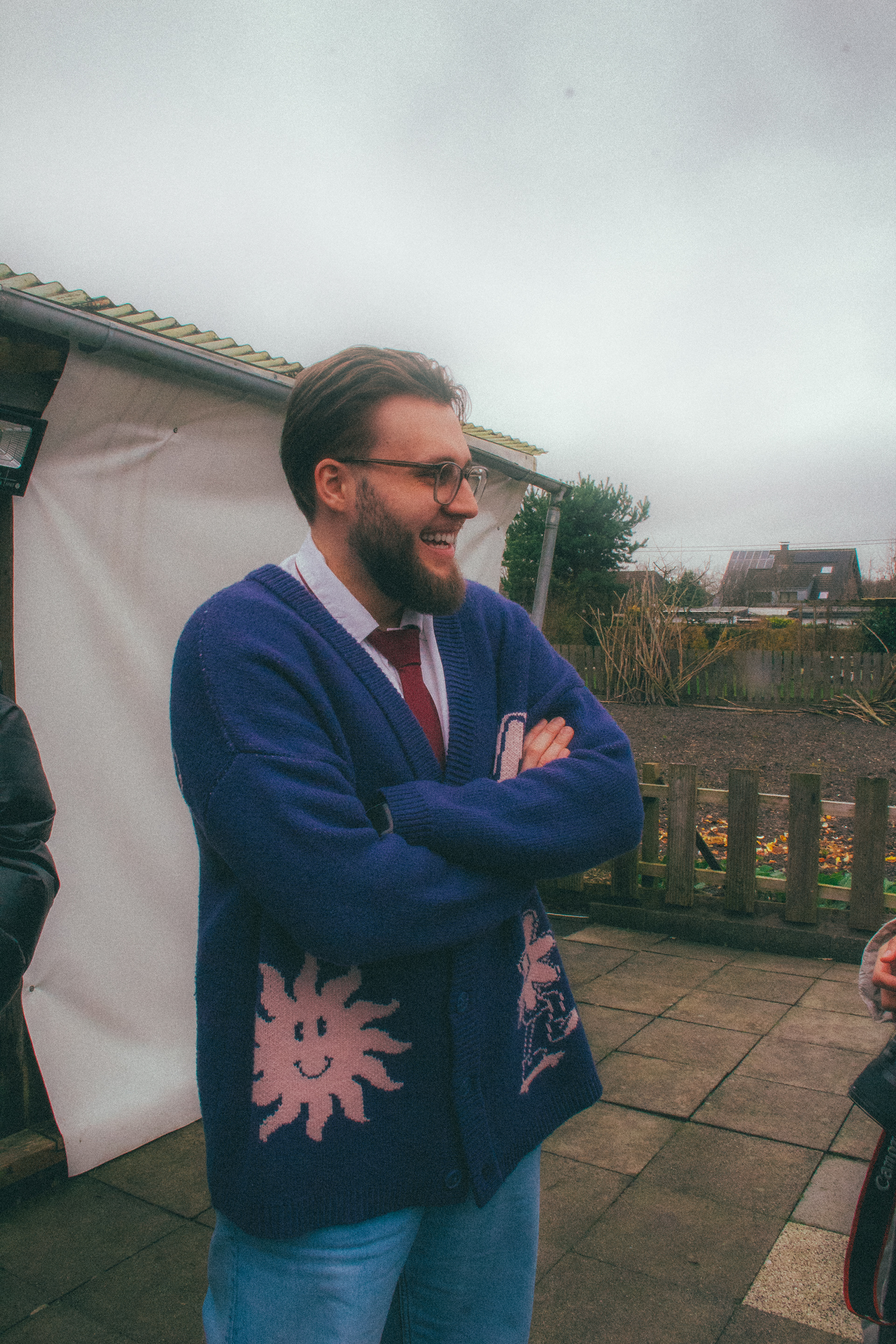
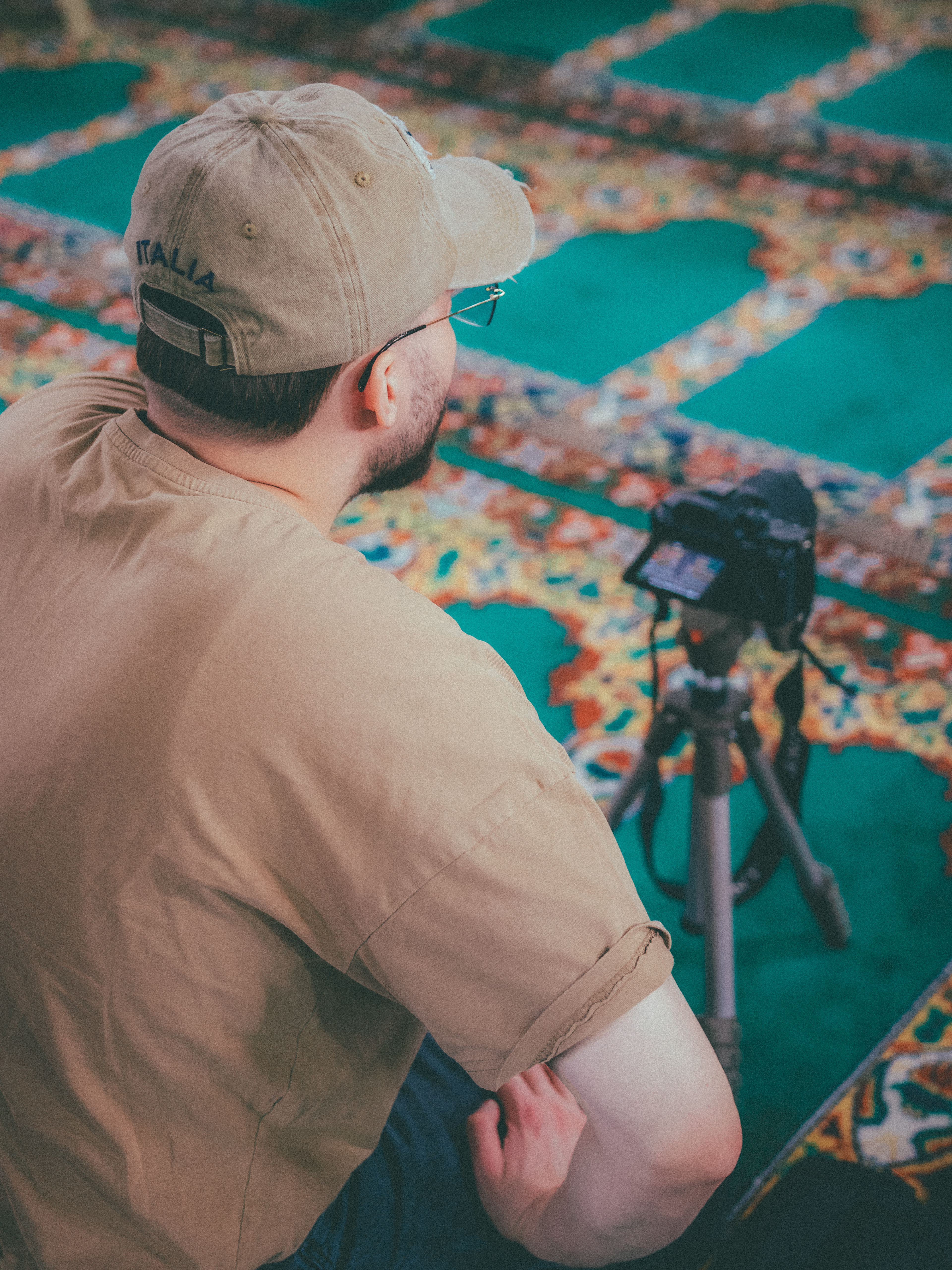
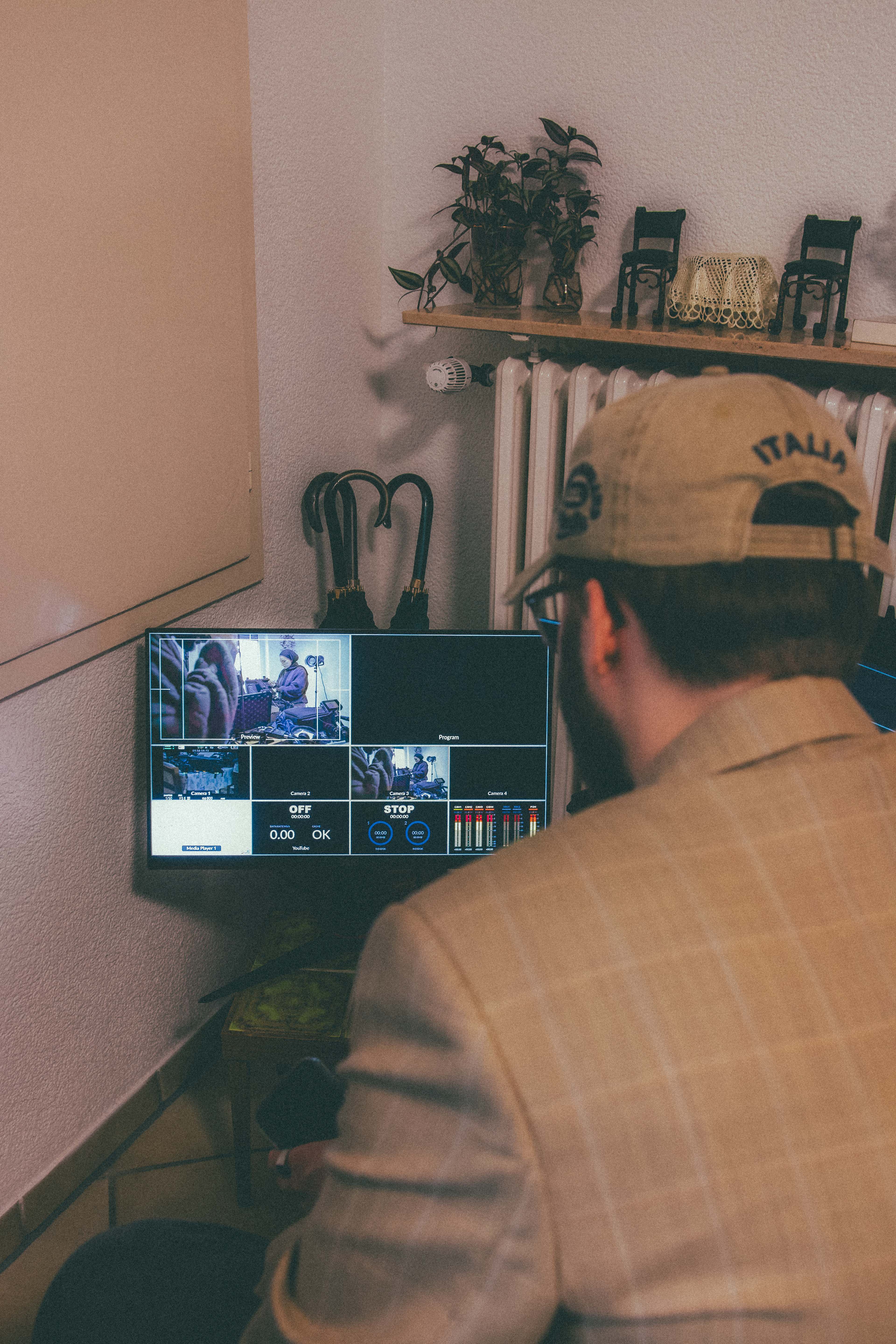
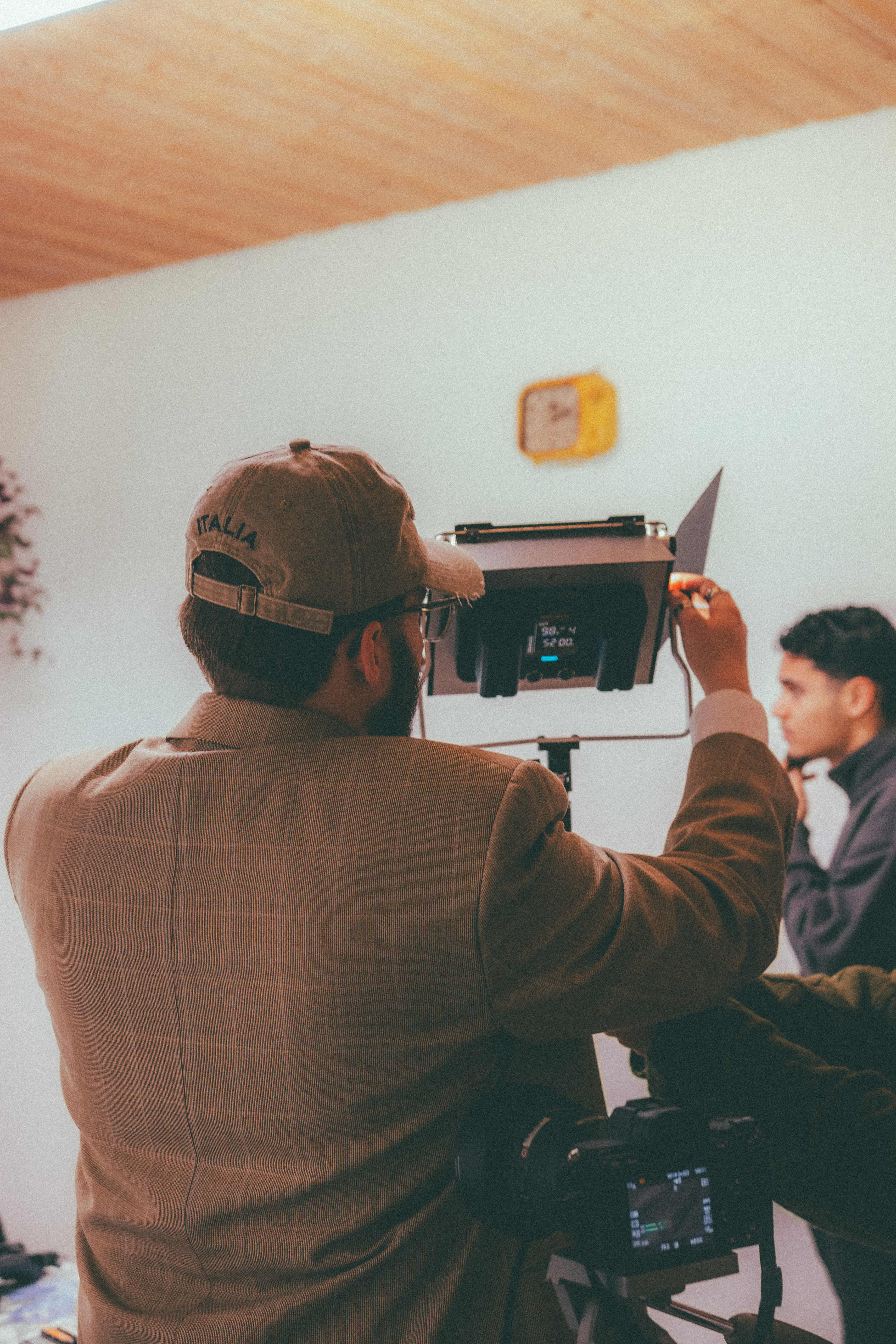
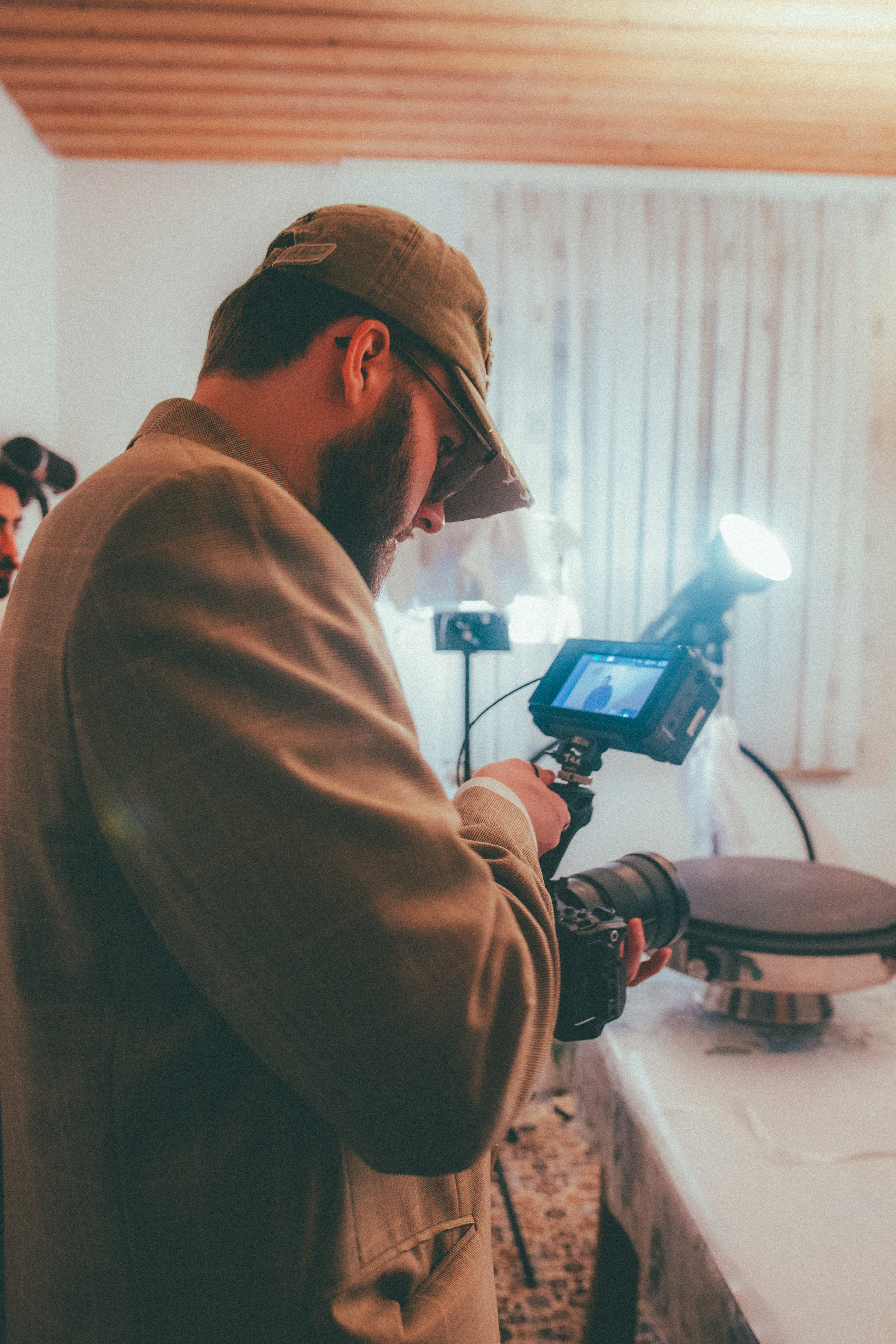
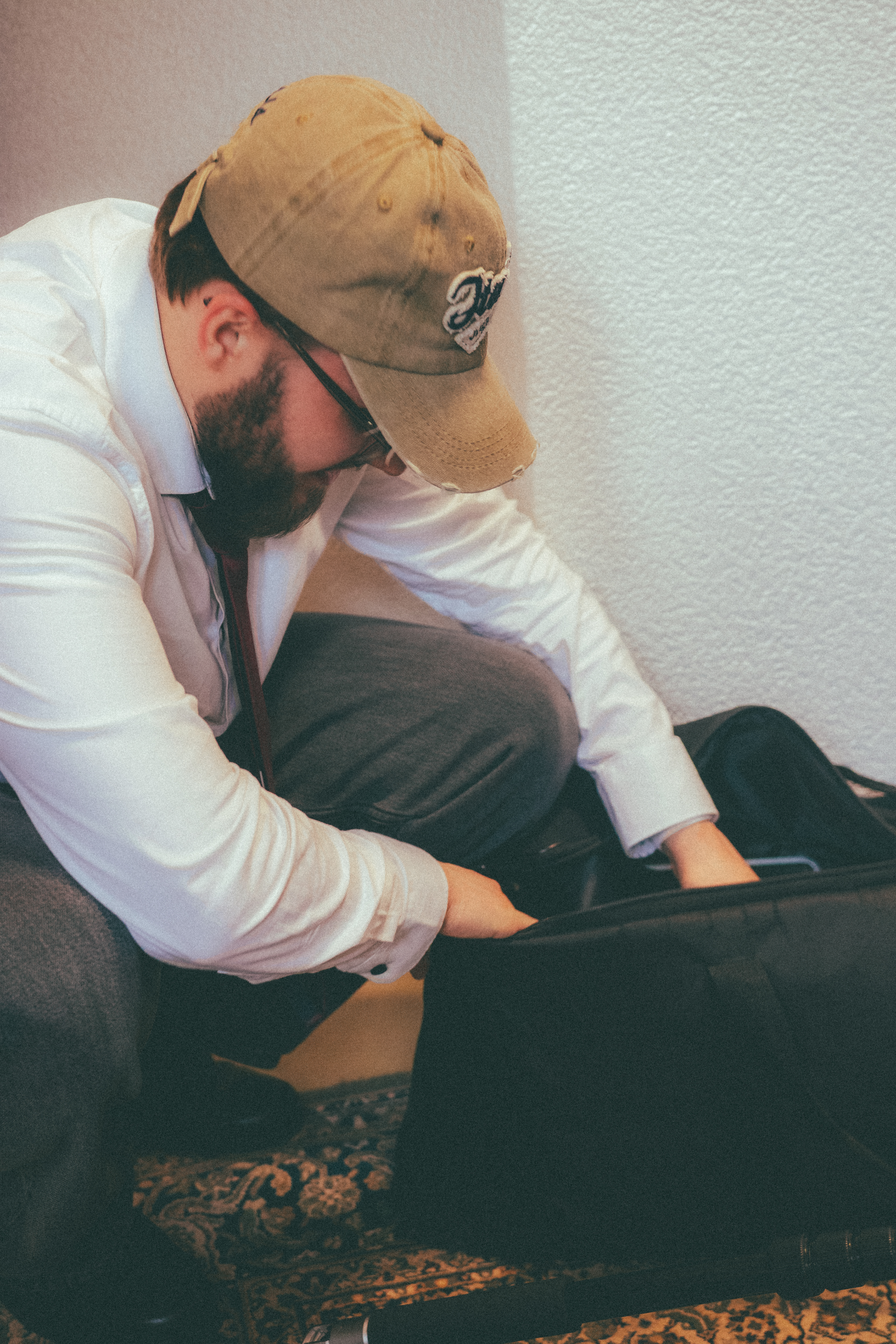
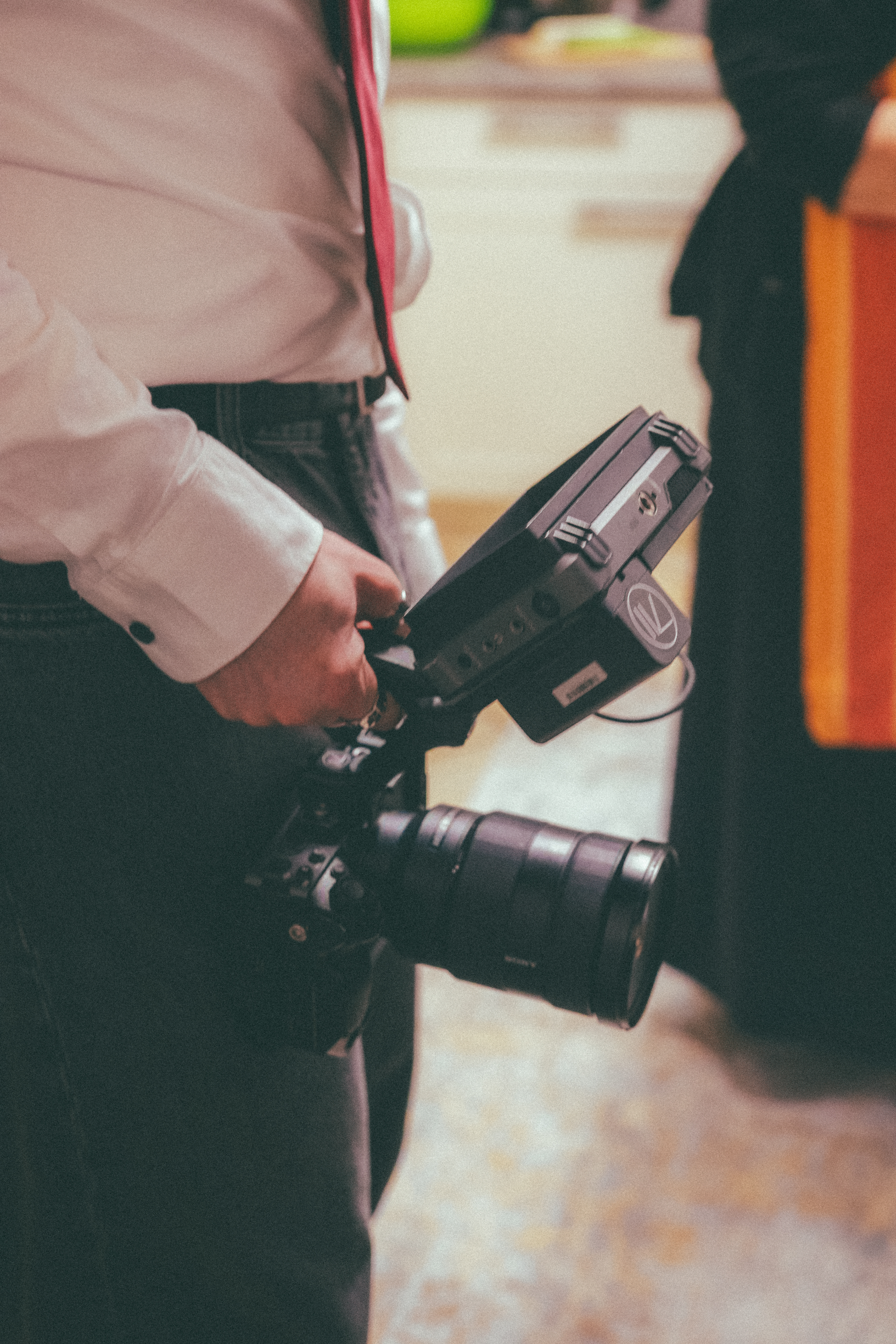
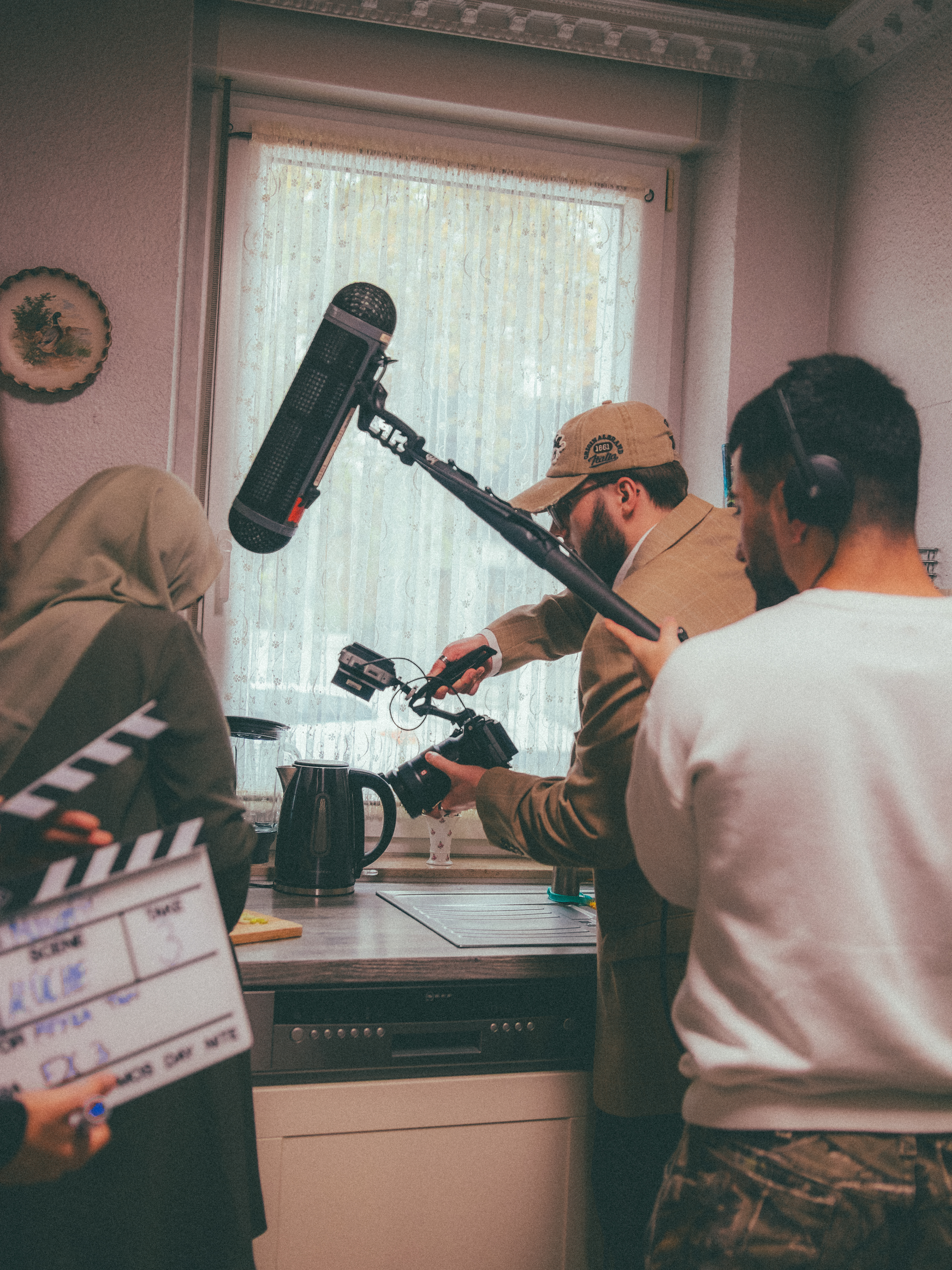
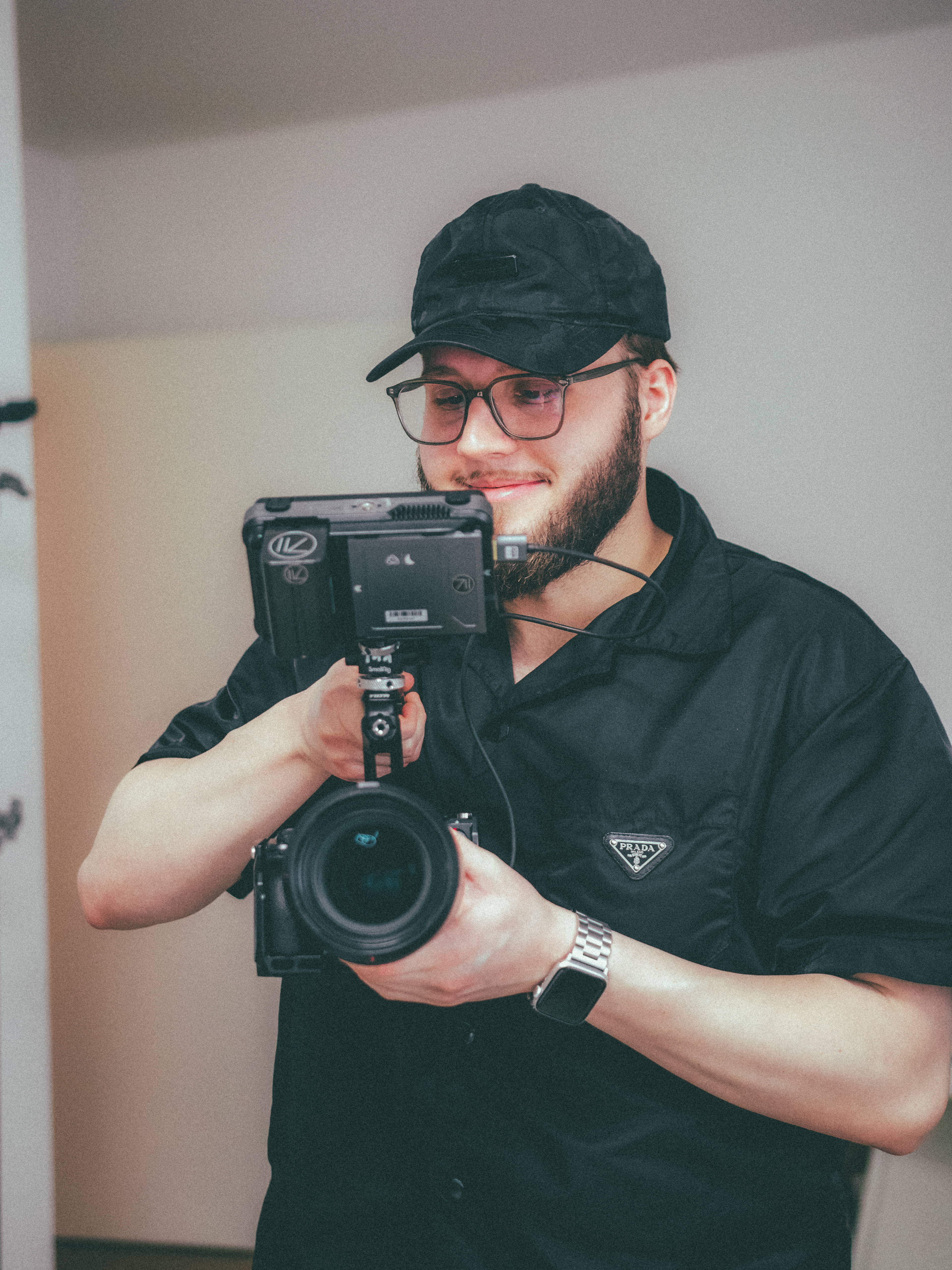
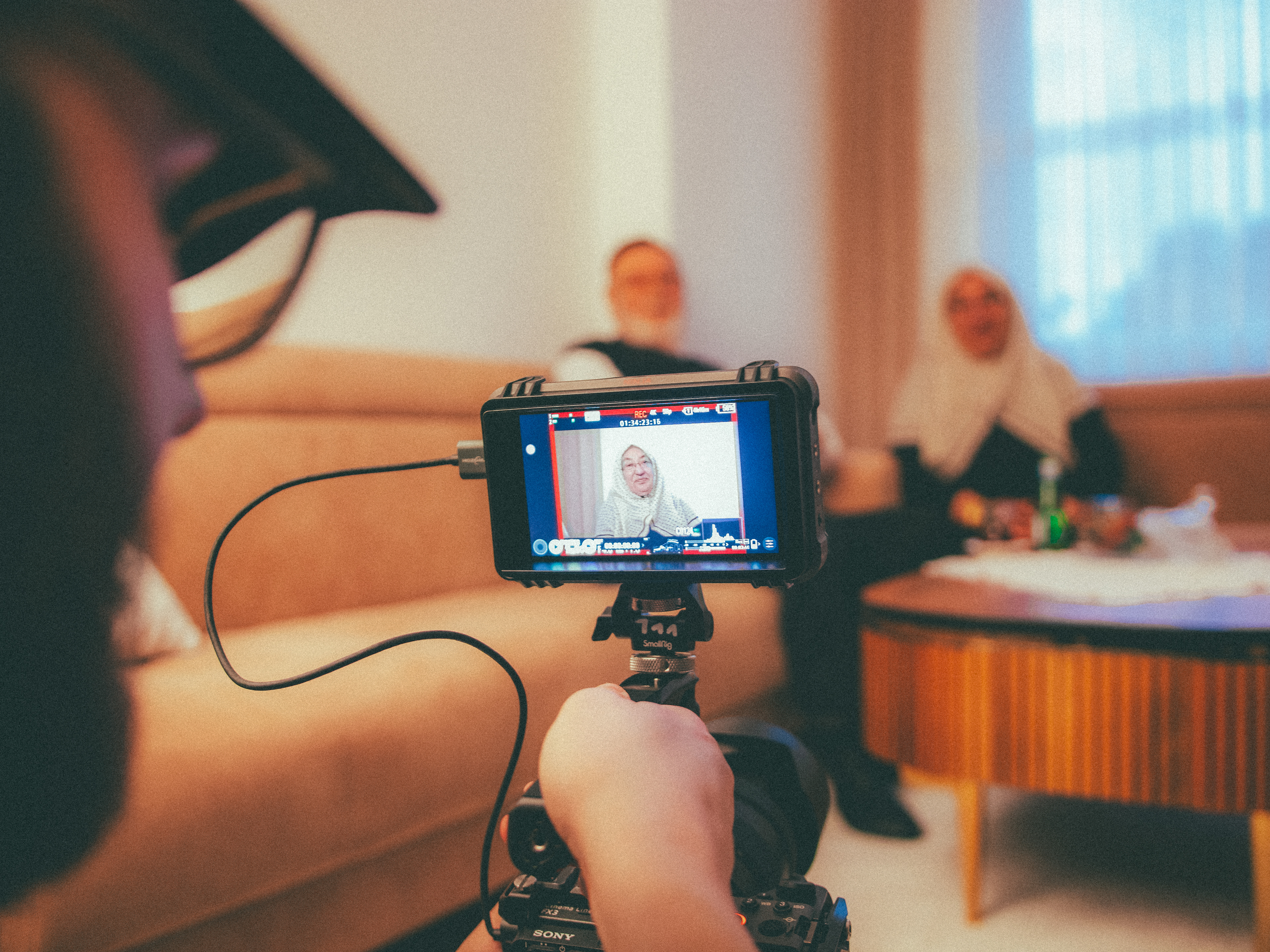
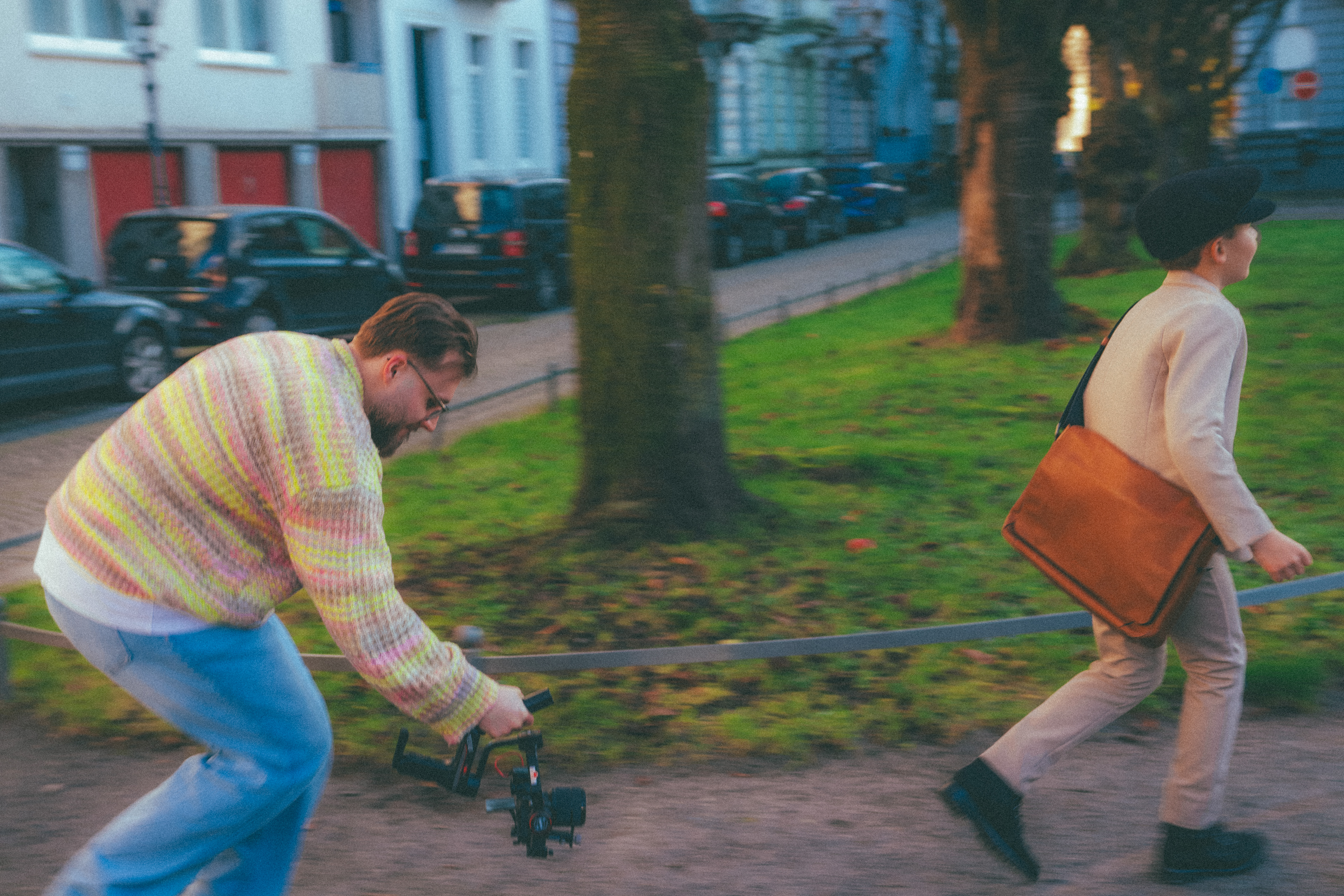
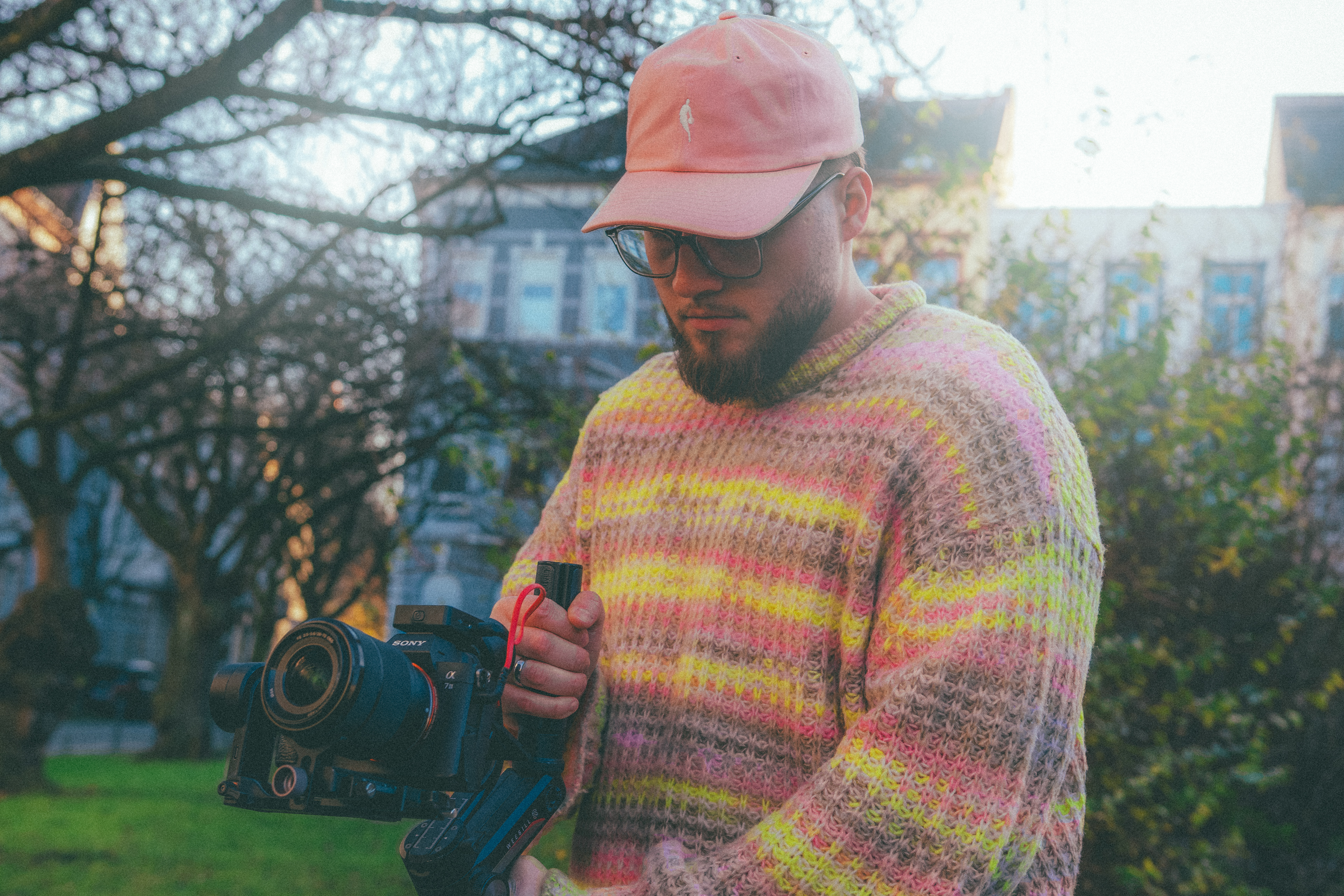
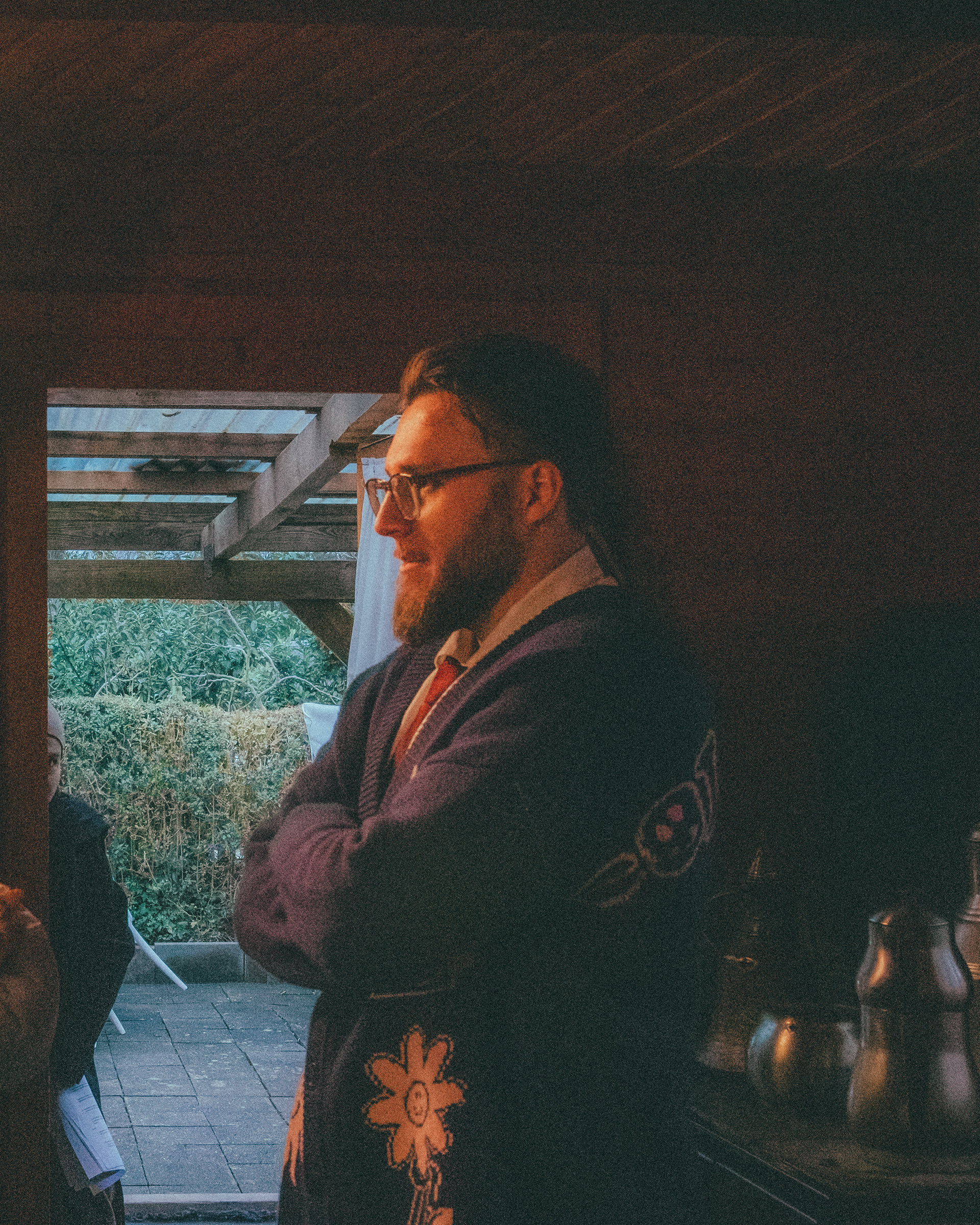
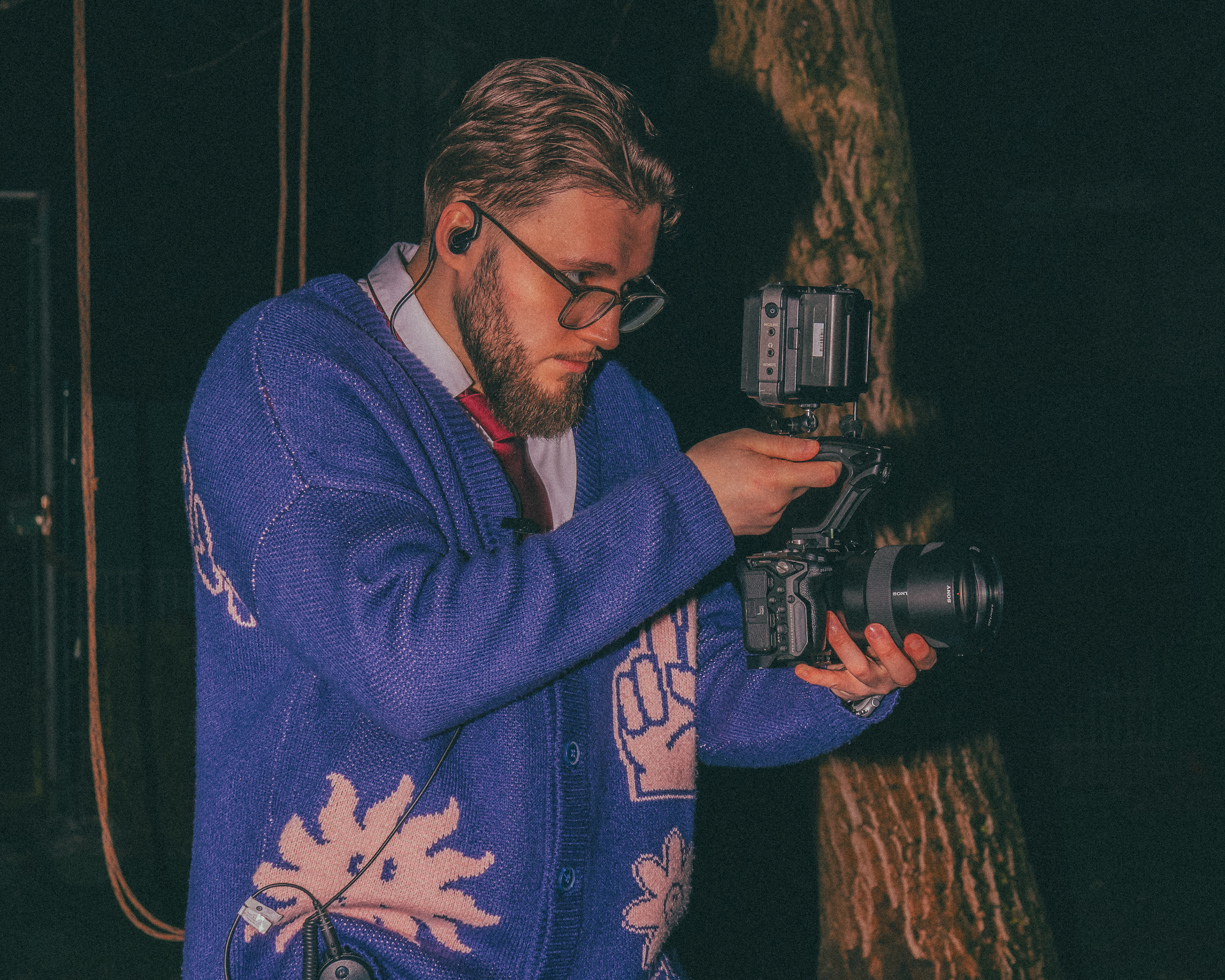
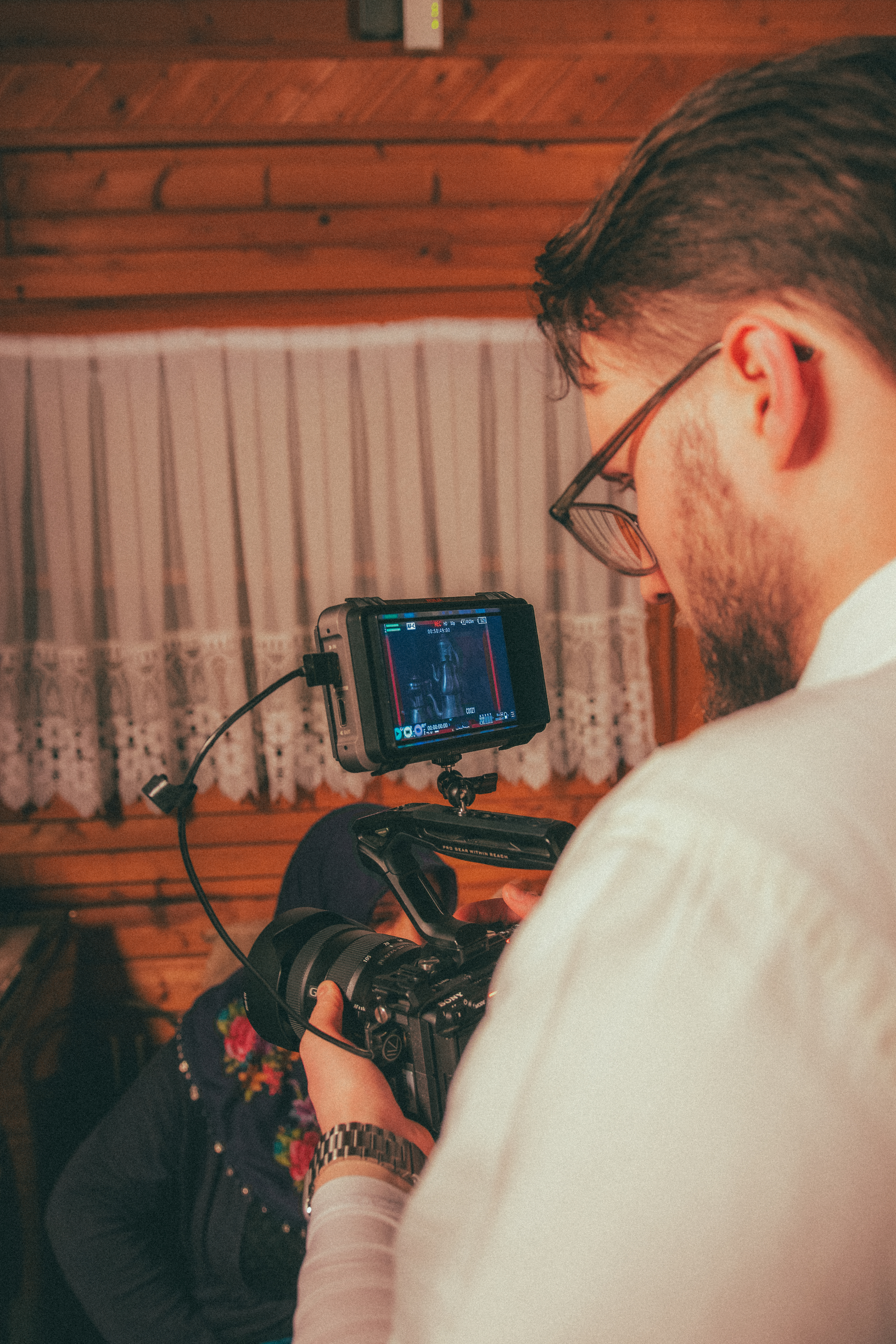
The documentary was filmed across multiple locations in Krefeld, capturing intimate conversations and authentic everyday moments.
03 – THE INTERVIEWS
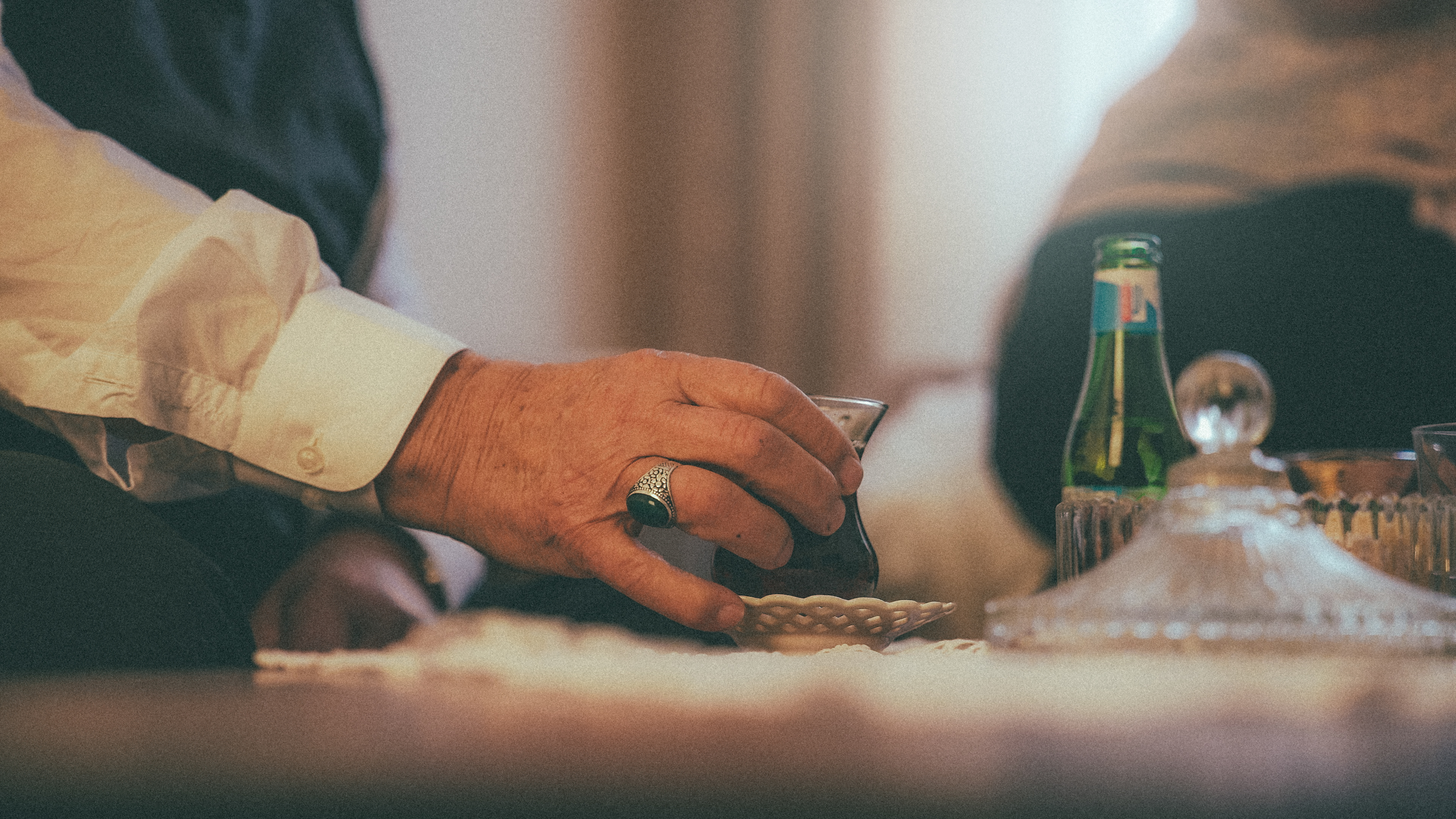
Personal conversations formed the heart of the documentary, allowing each participant to share their memories and experiences in their own words.
04 – POST-PRODUCTION
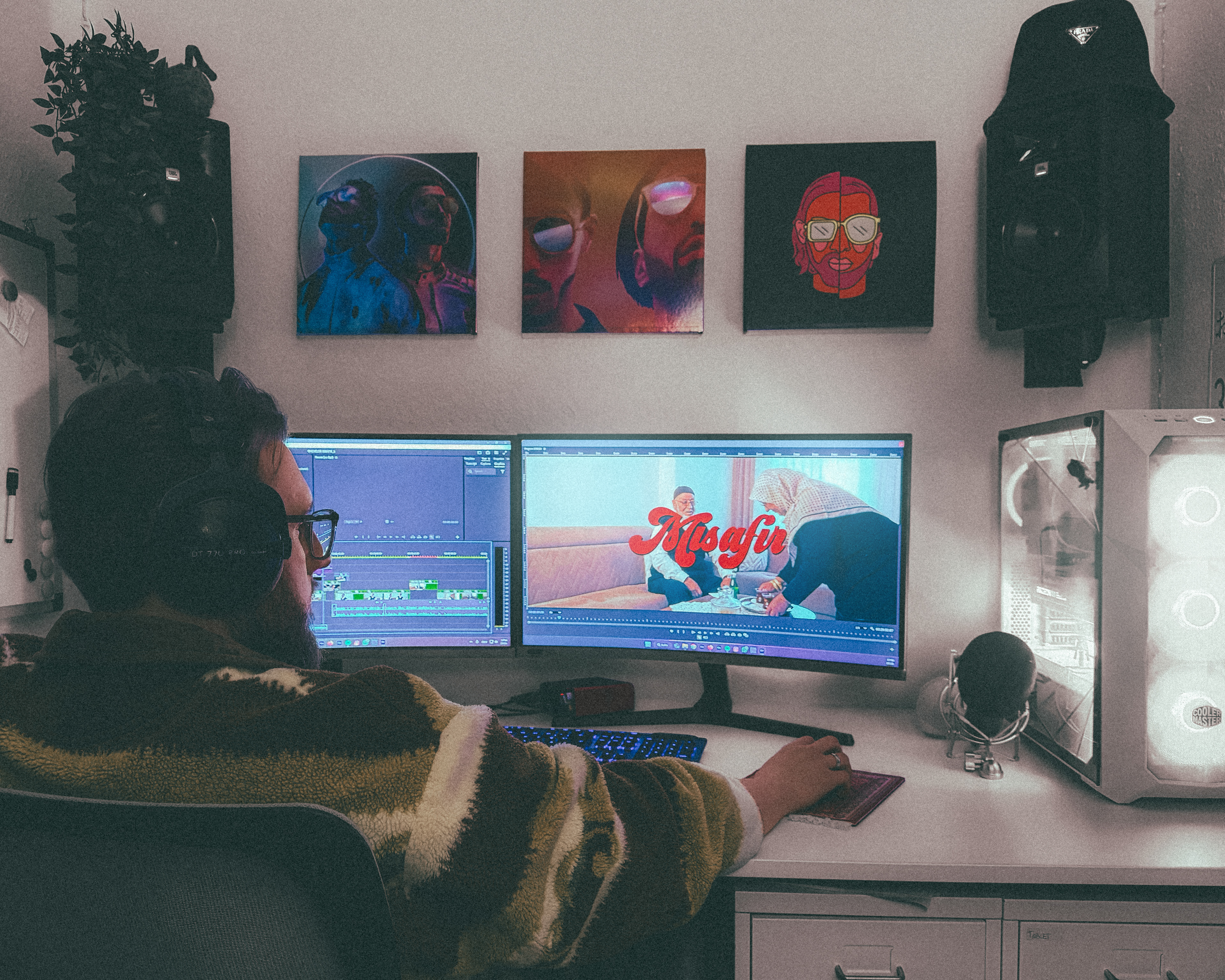
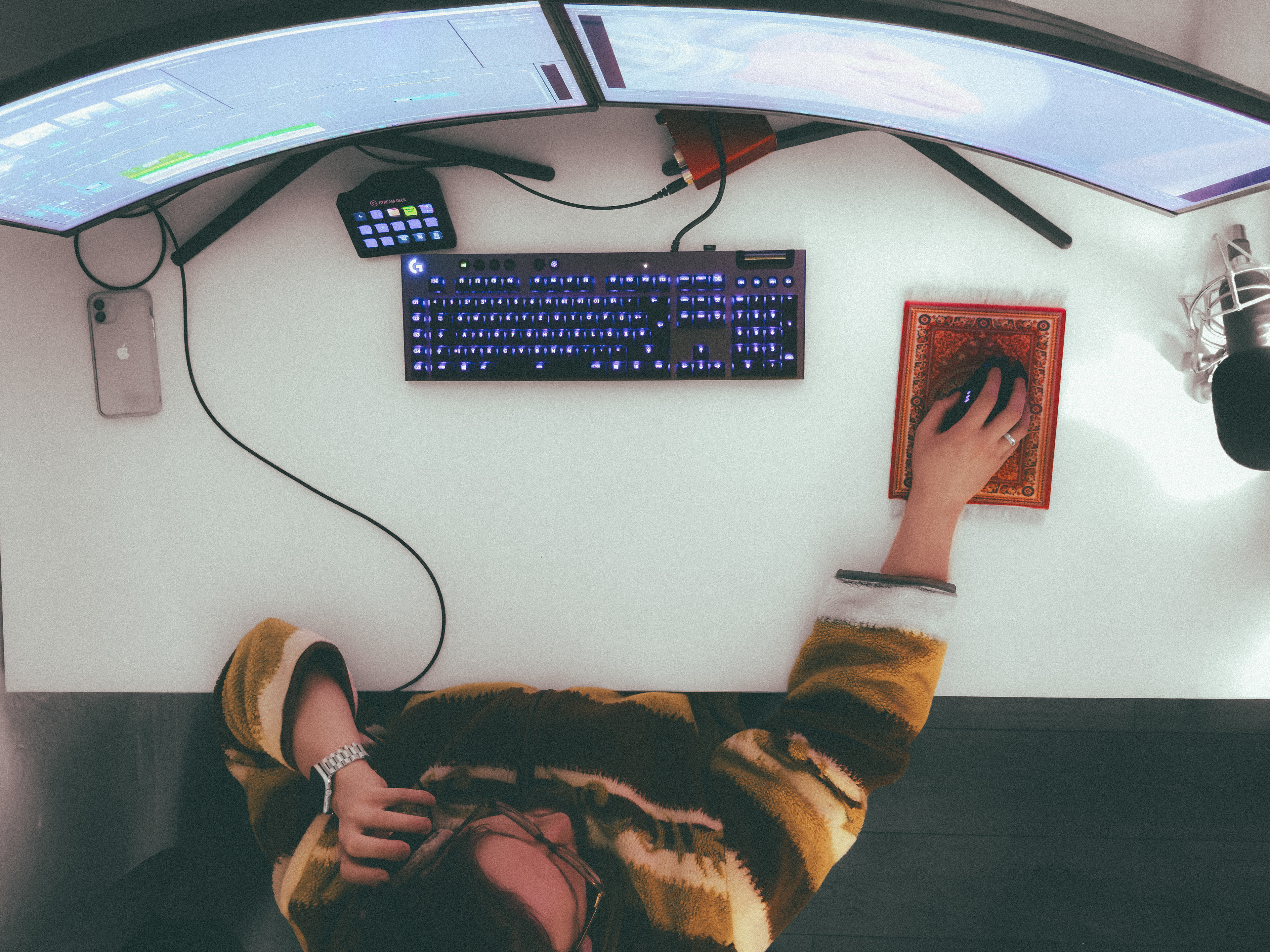
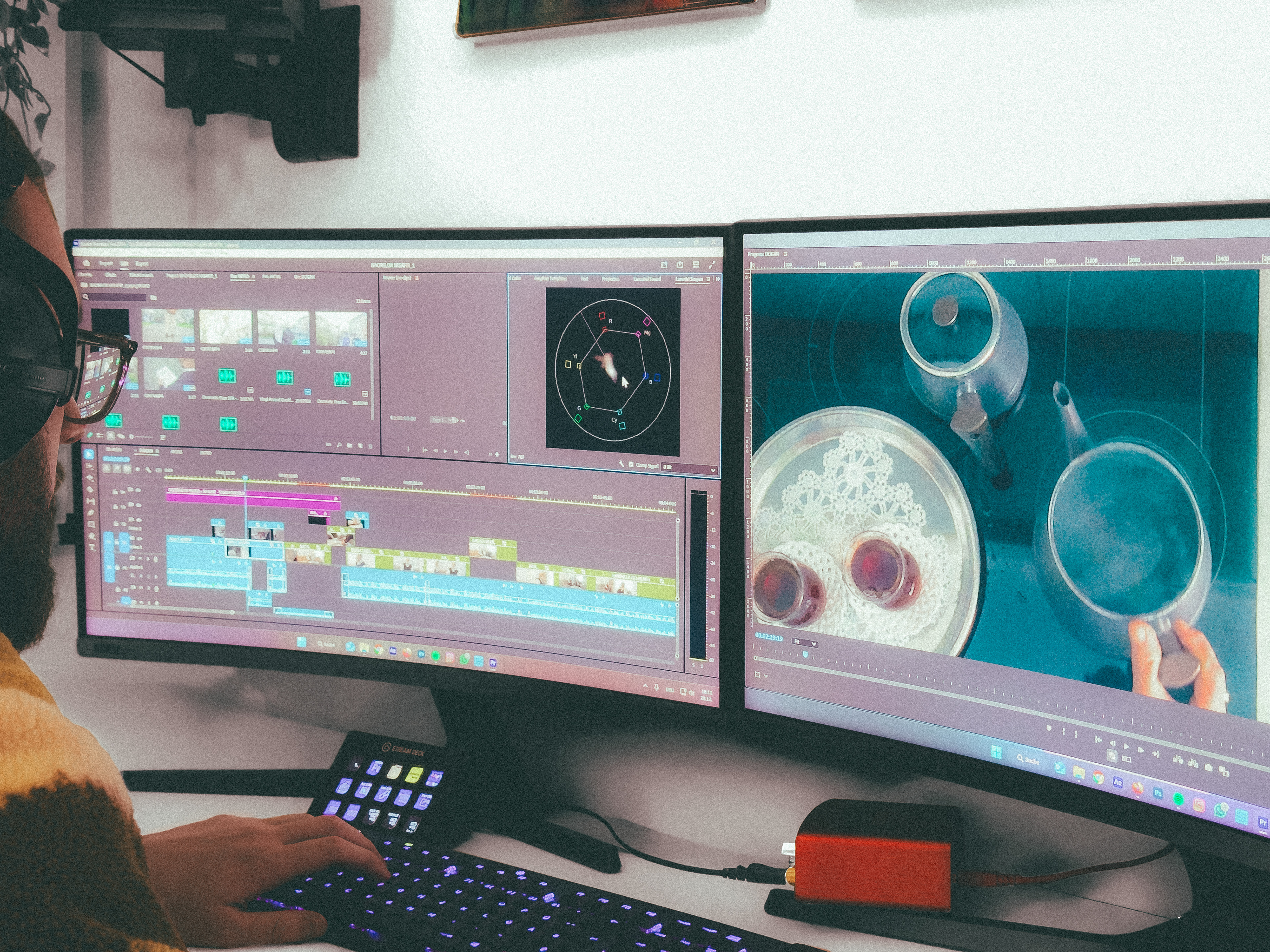
From editing and sound design to color grading and animation, post-production shaped the documentary’s final cinematic language.

05 – THE EXHIBITION
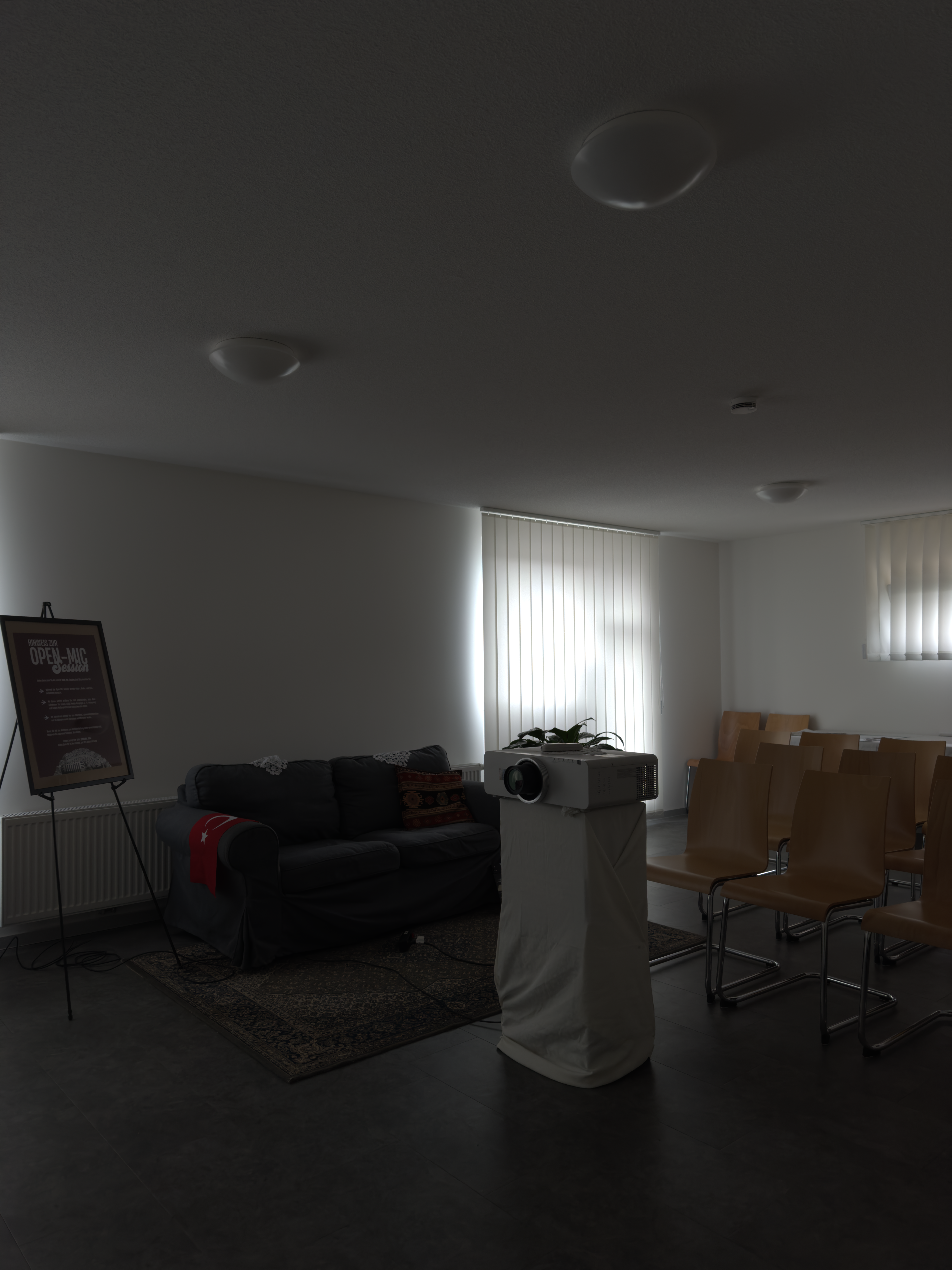
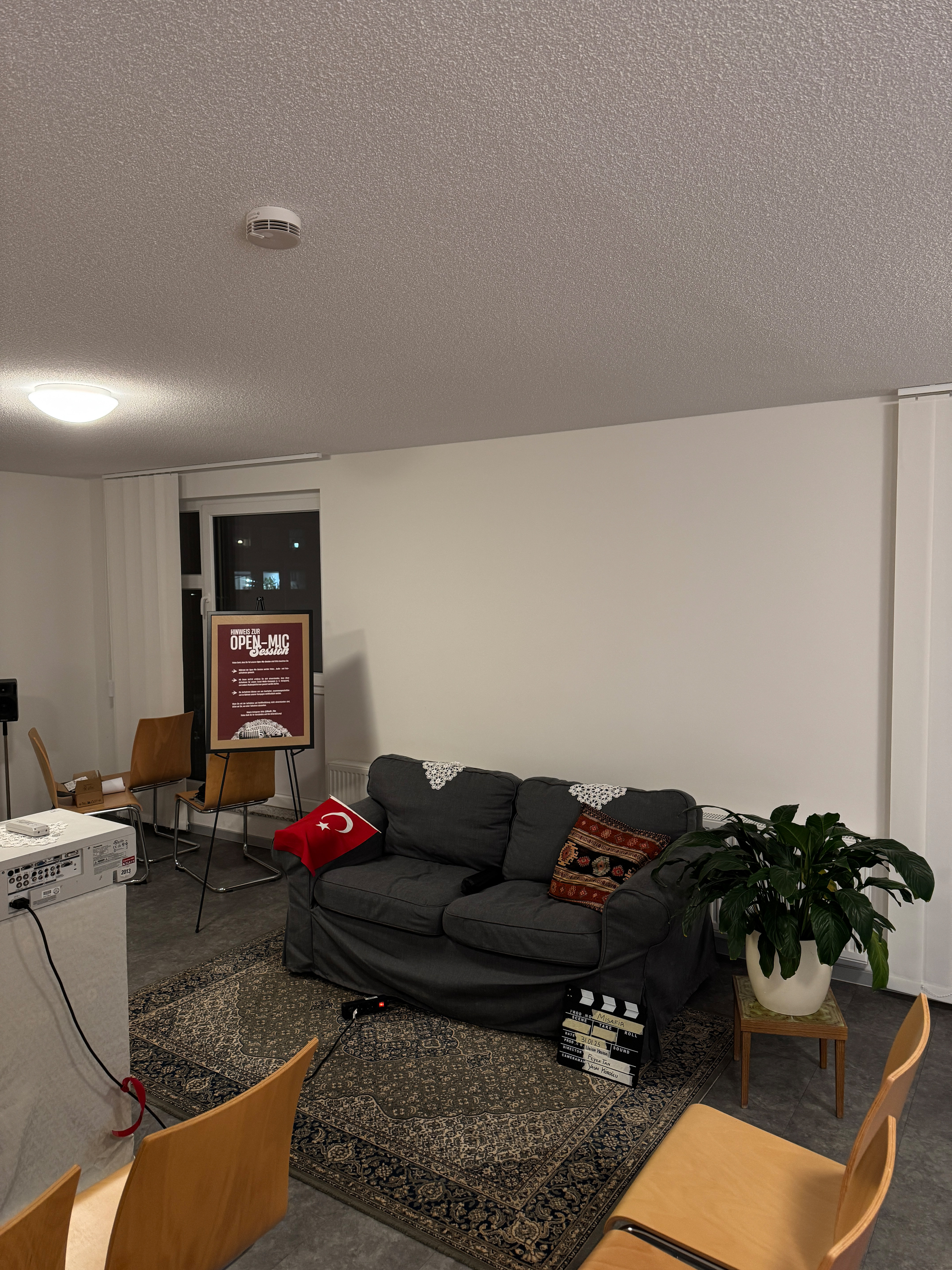
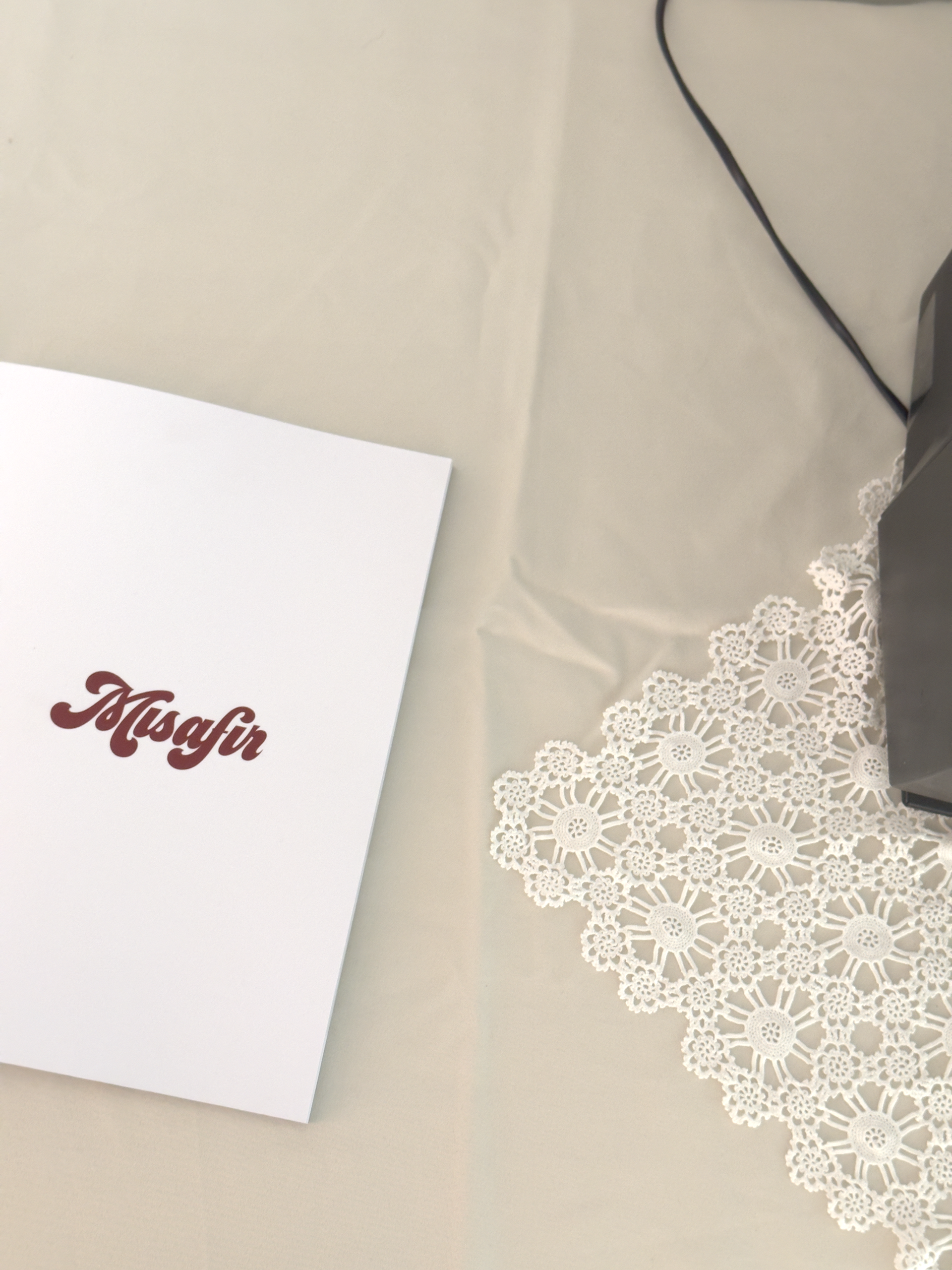
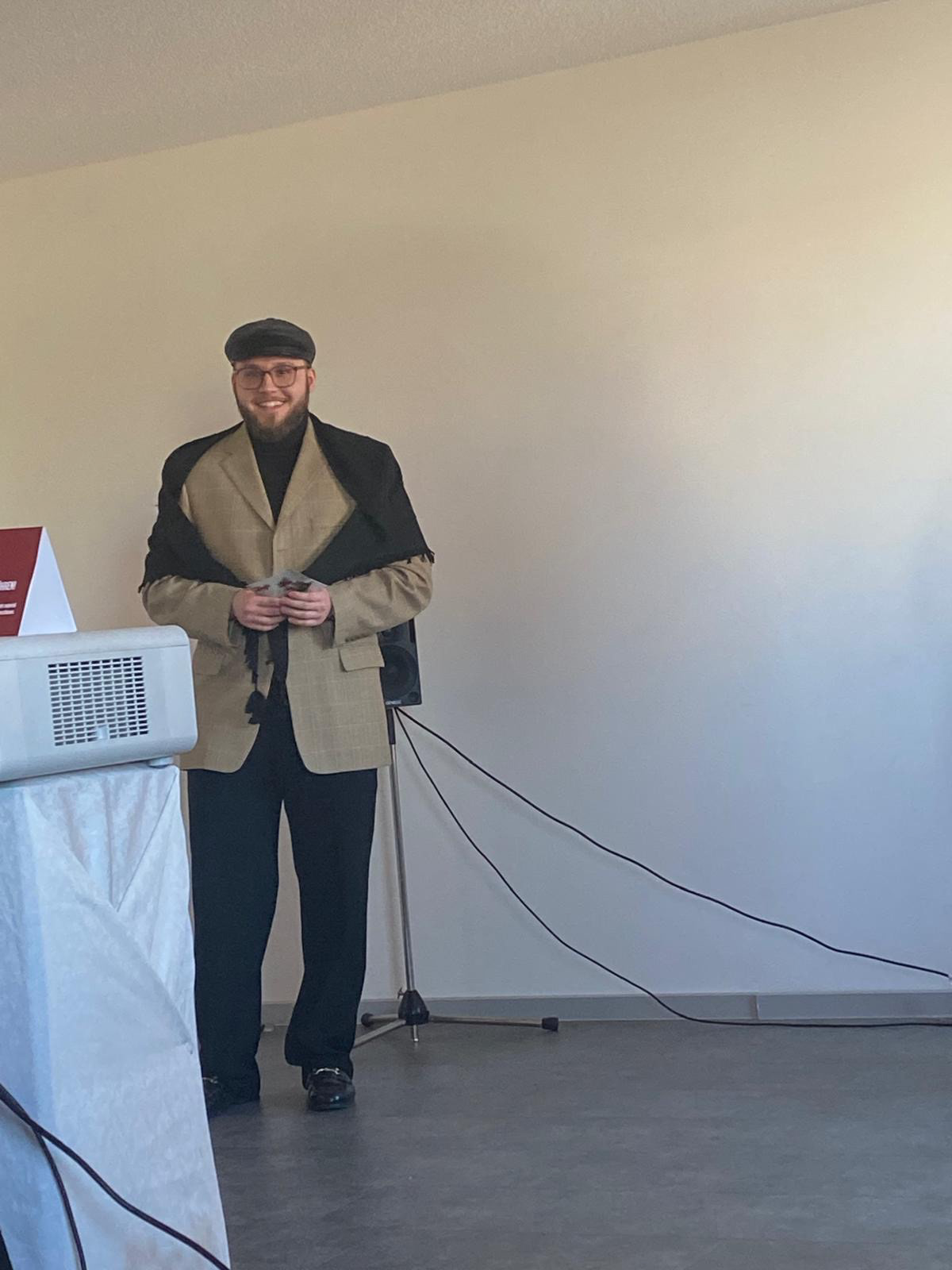
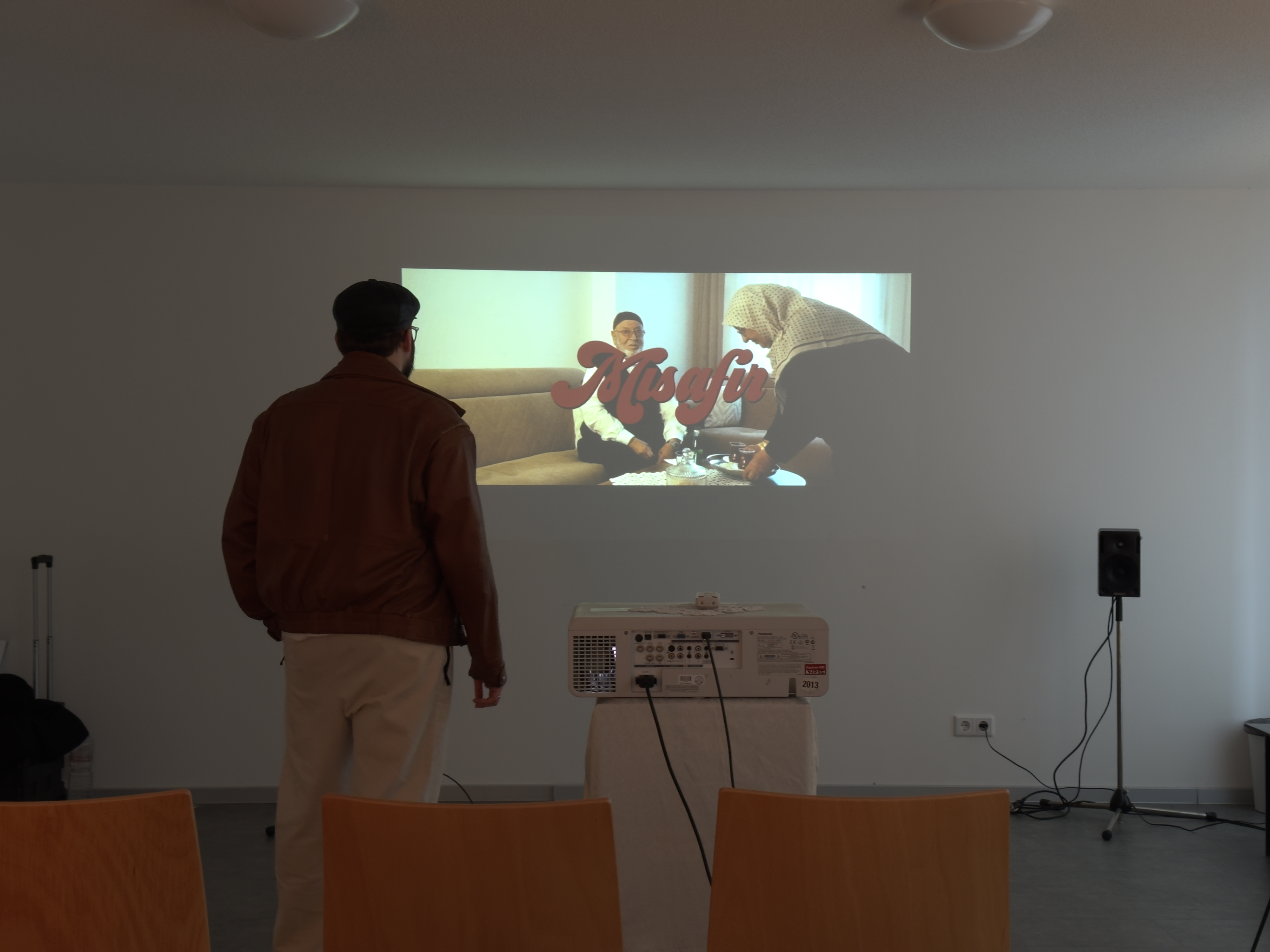
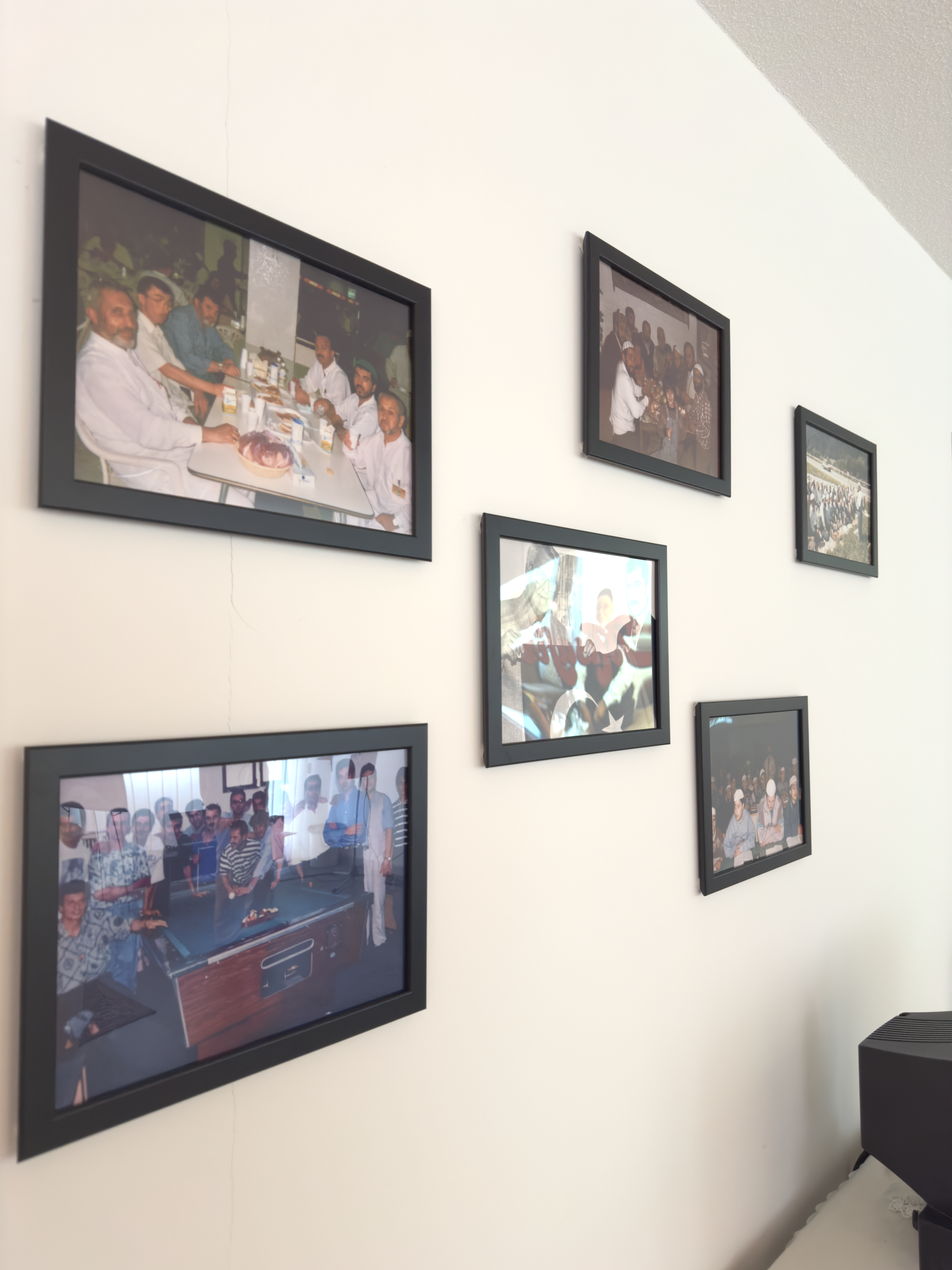
Following the film’s completion, the project expanded into a public exhibition, bringing the documentary into a physical space through printed works and visual installations.

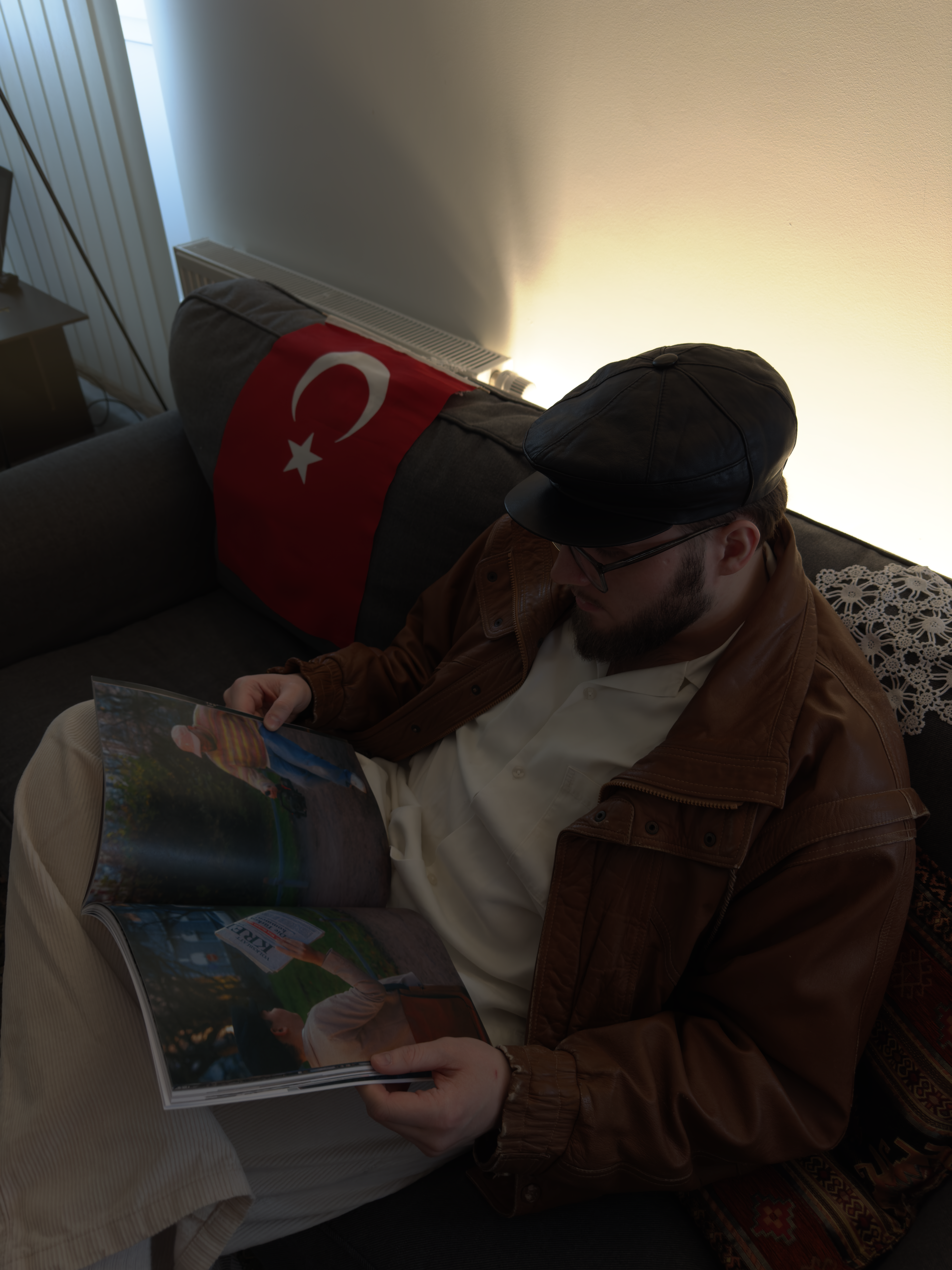
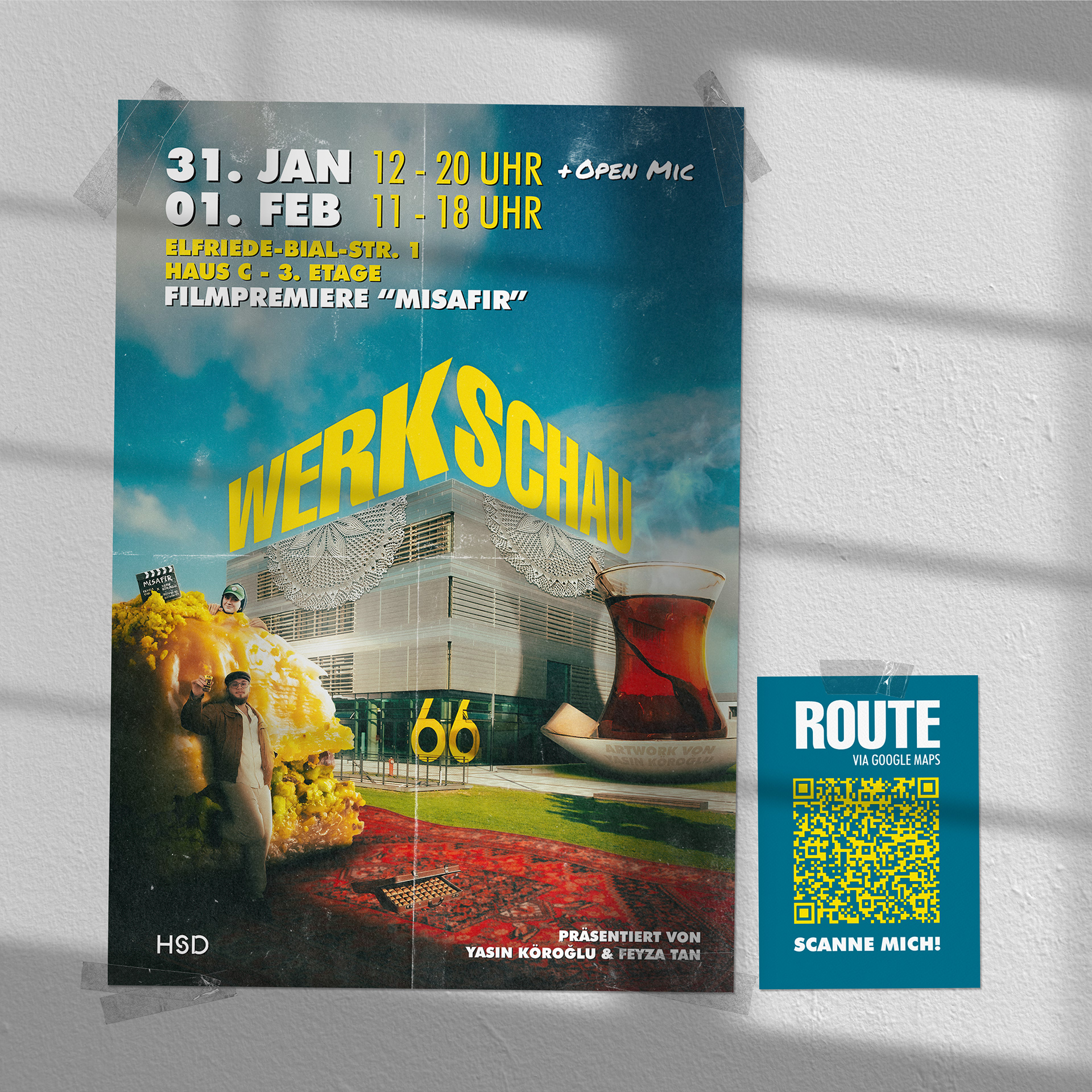
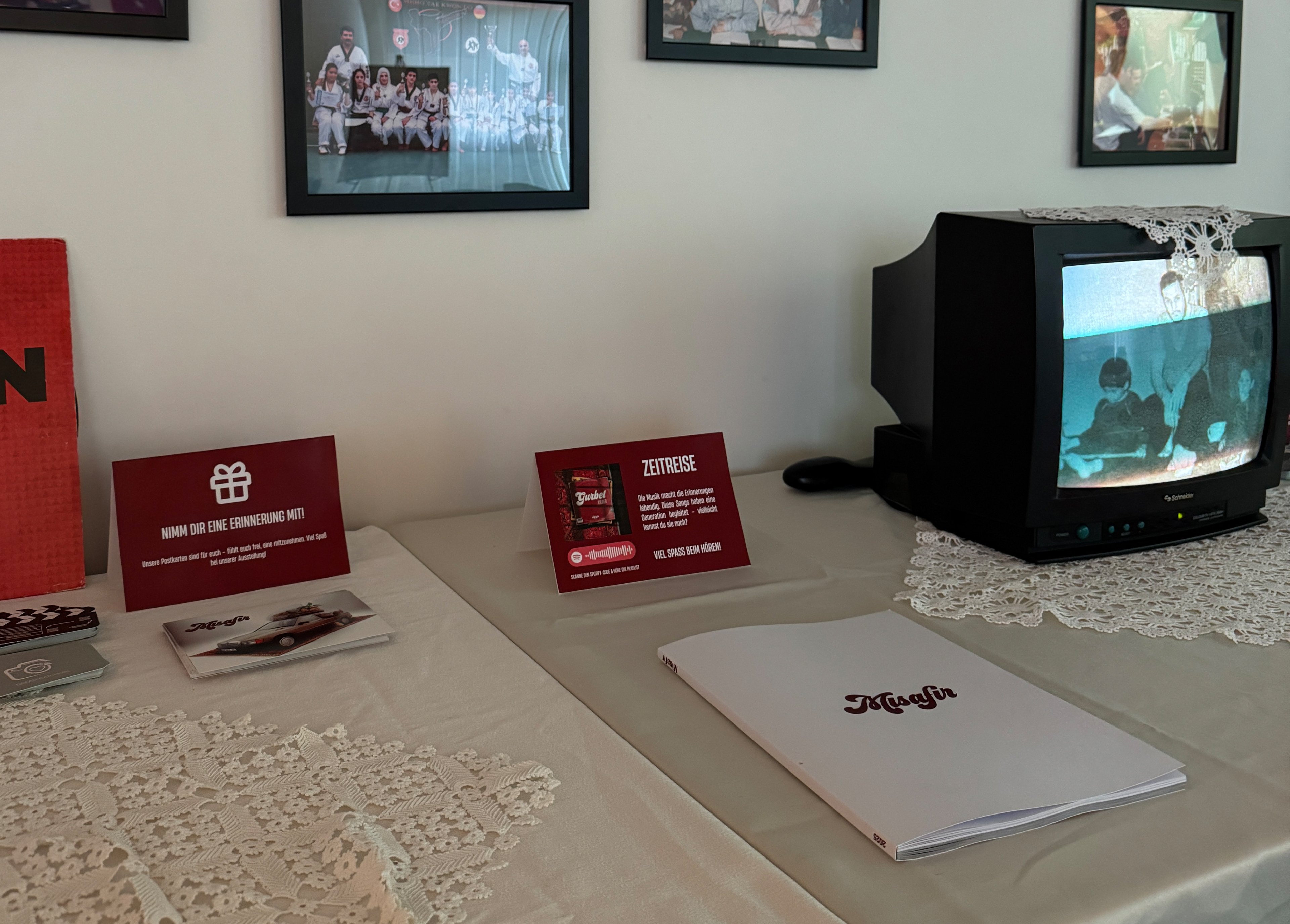
VISUAL IDENTITY
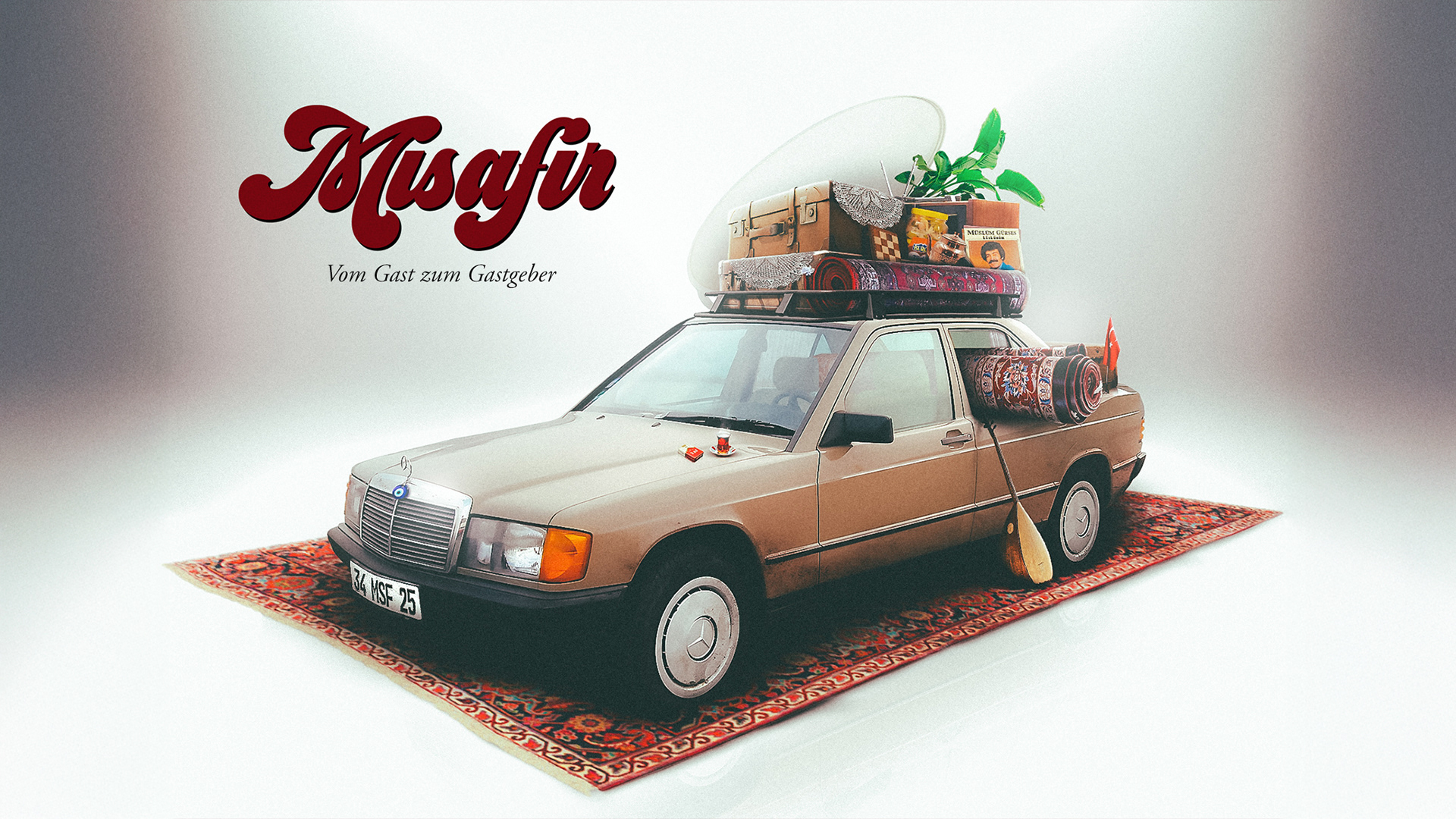
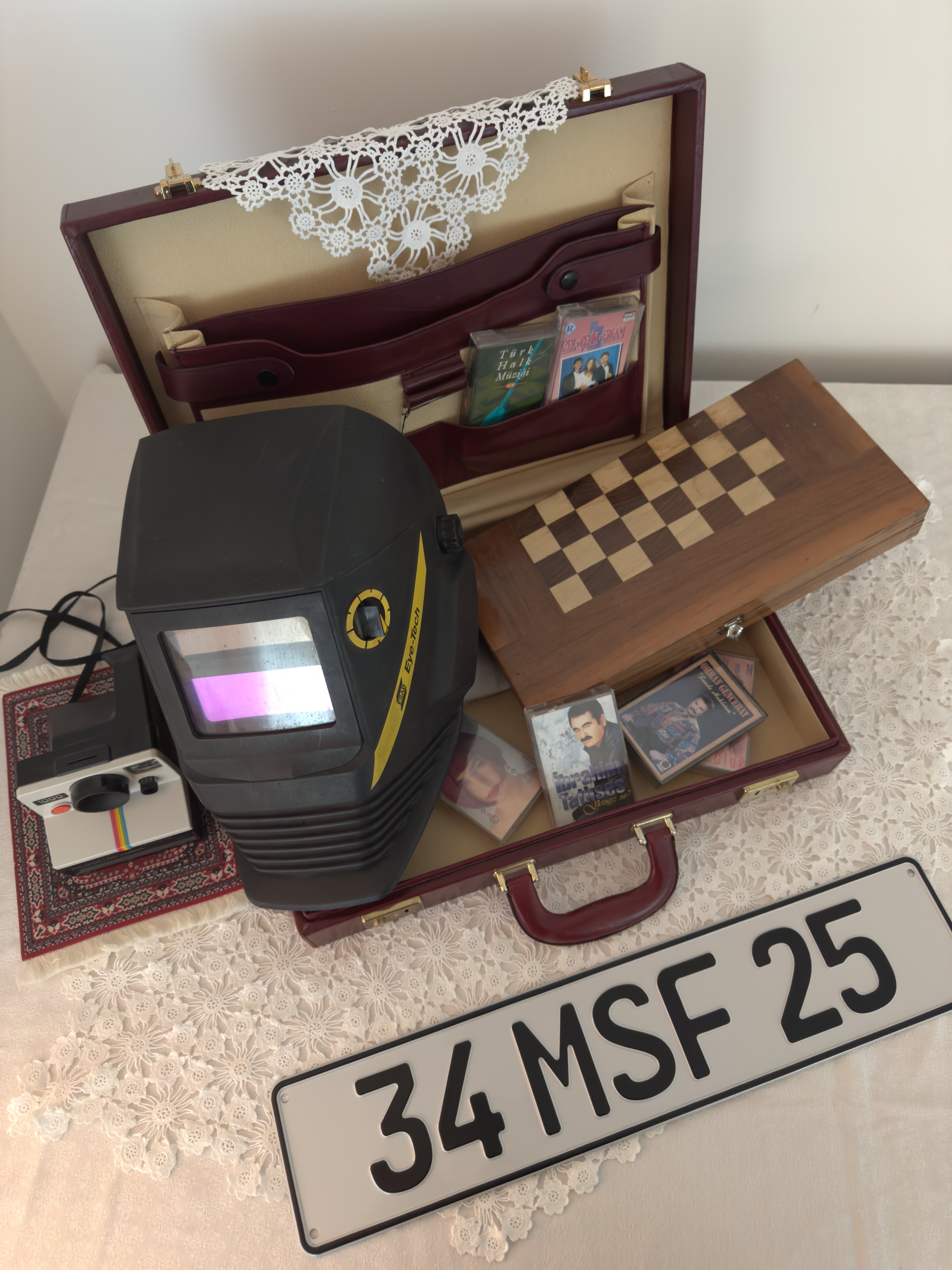
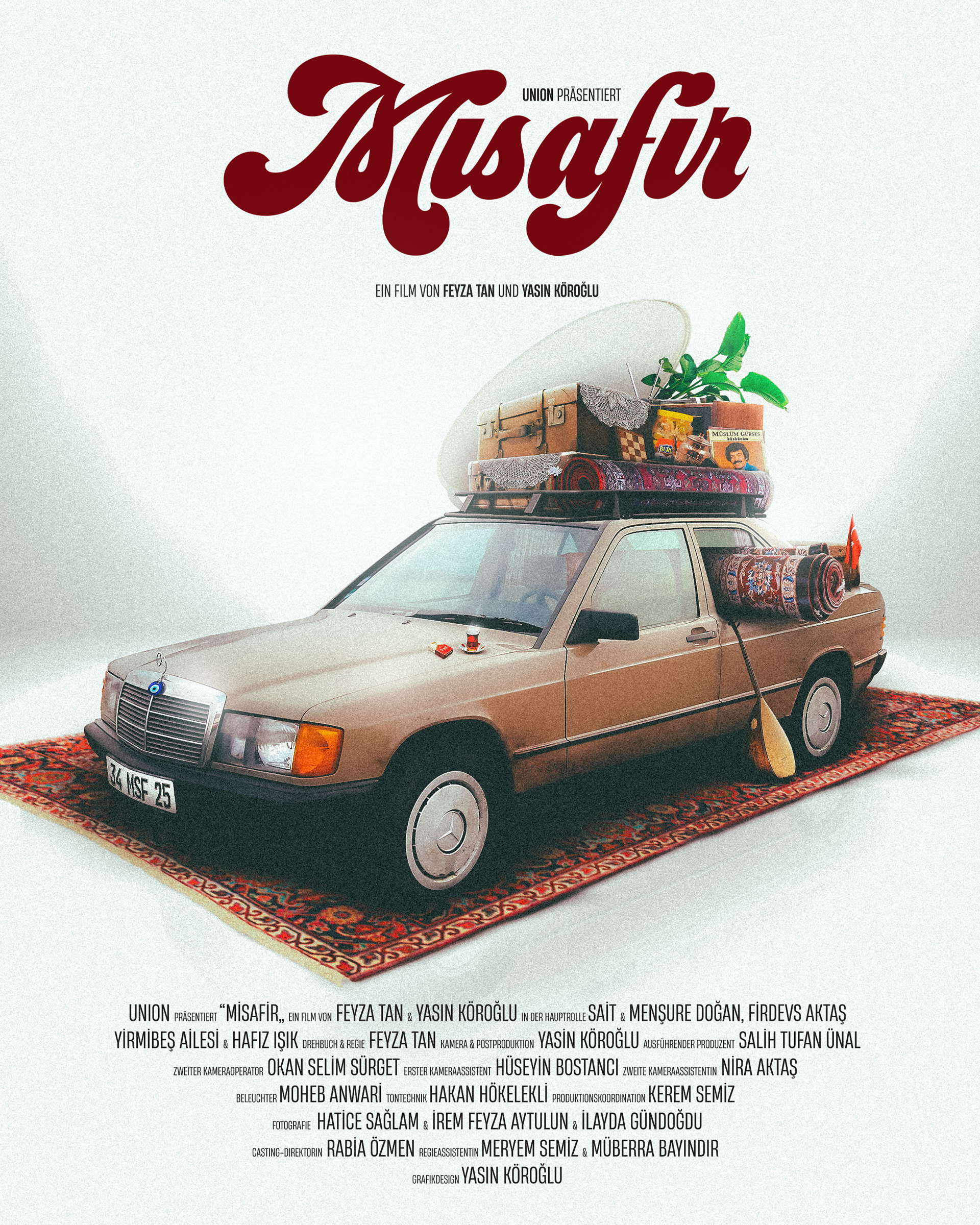
The key poster was designed as a stylized still life. I used a Baby Benz — a car known in many immigrant cultures — placed on a Persian carpet inside a white photo studio. The roof was stacked with personal items: a suitcase, a satellite dish, vinyl records, backgammon, tea, a Turkish flag.
Each interviewed family received a unique poster variation. I also designed social media teaser posters and a full visual identity with fonts, textures, and colors inspired by 70s Turkish TV.
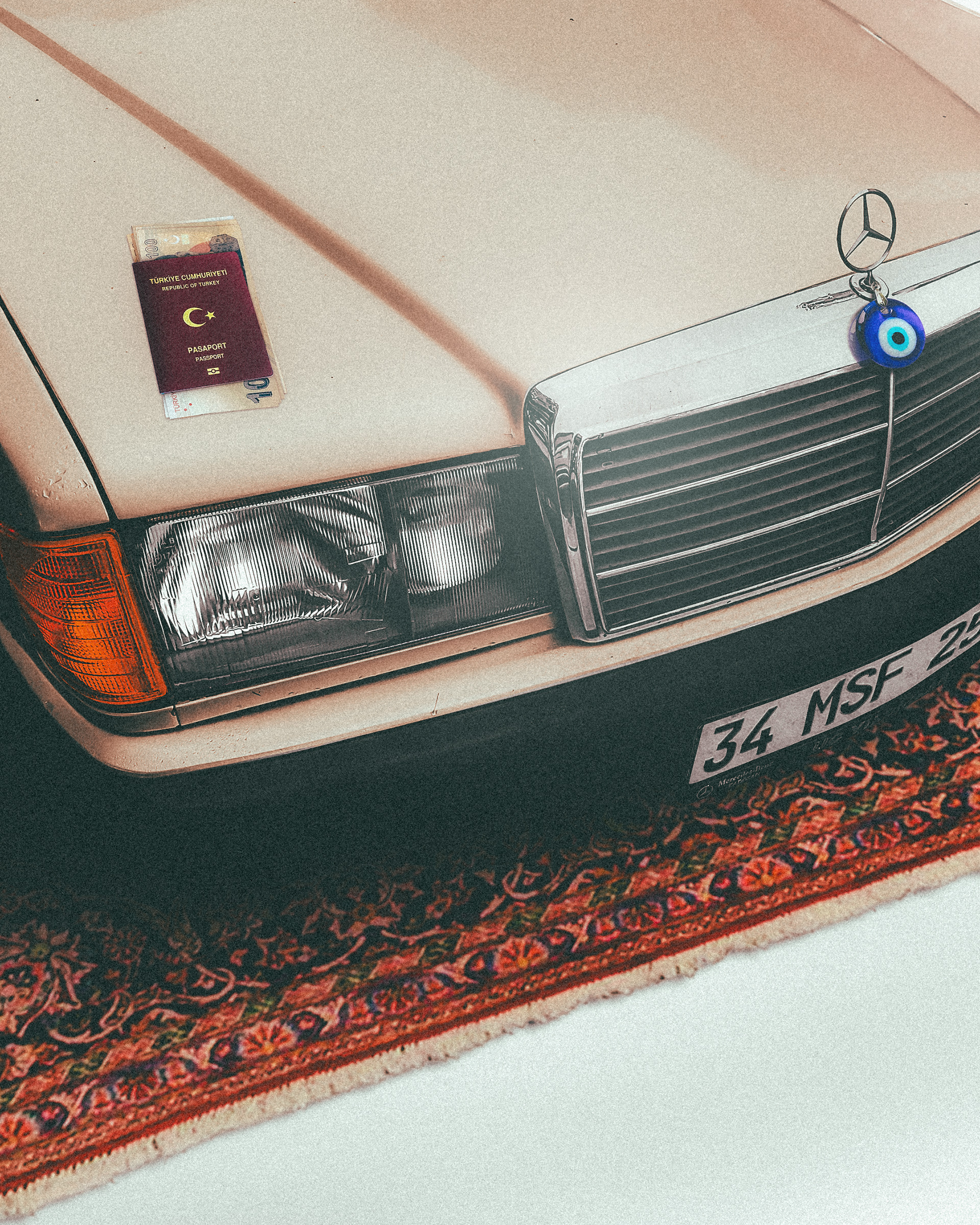
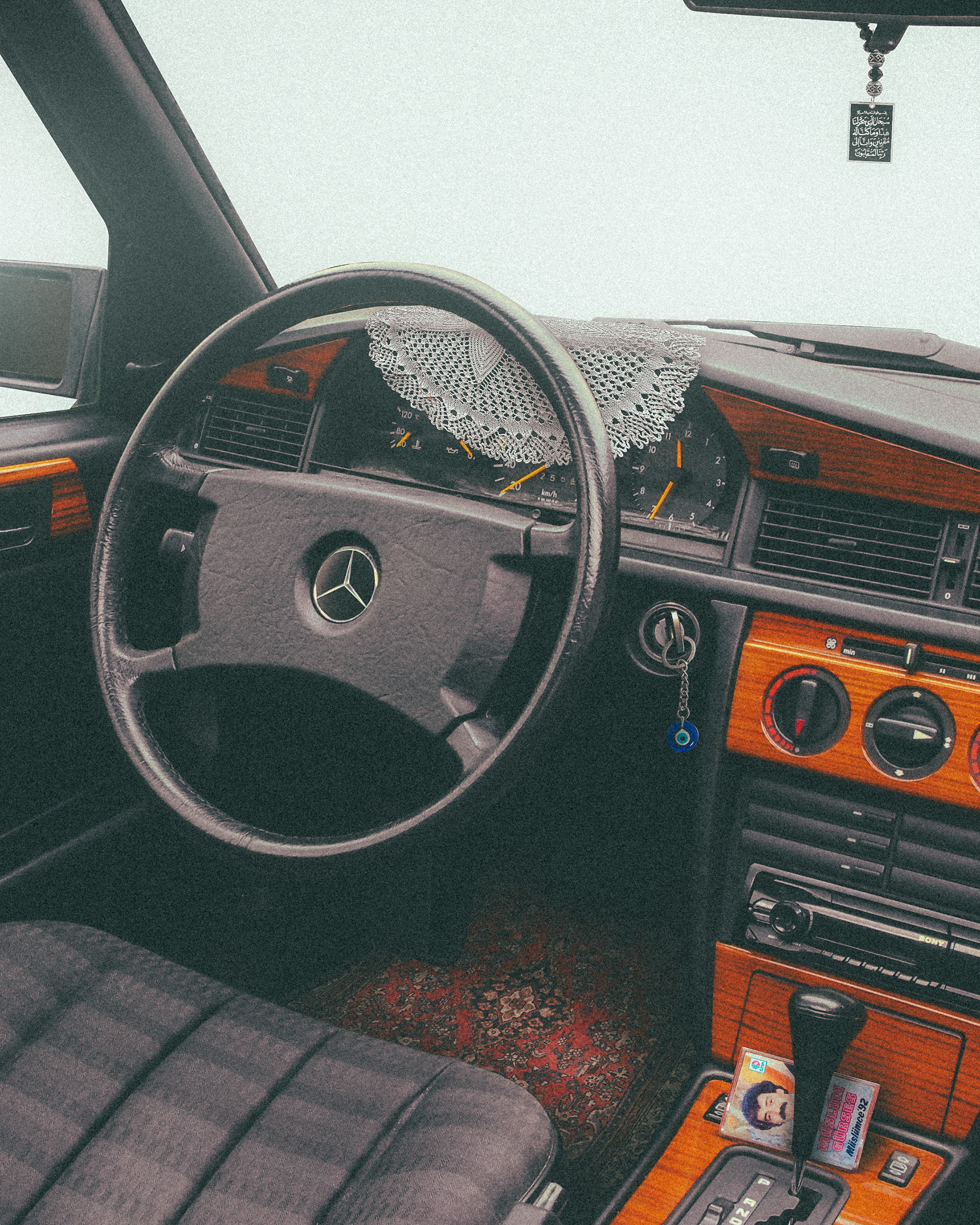
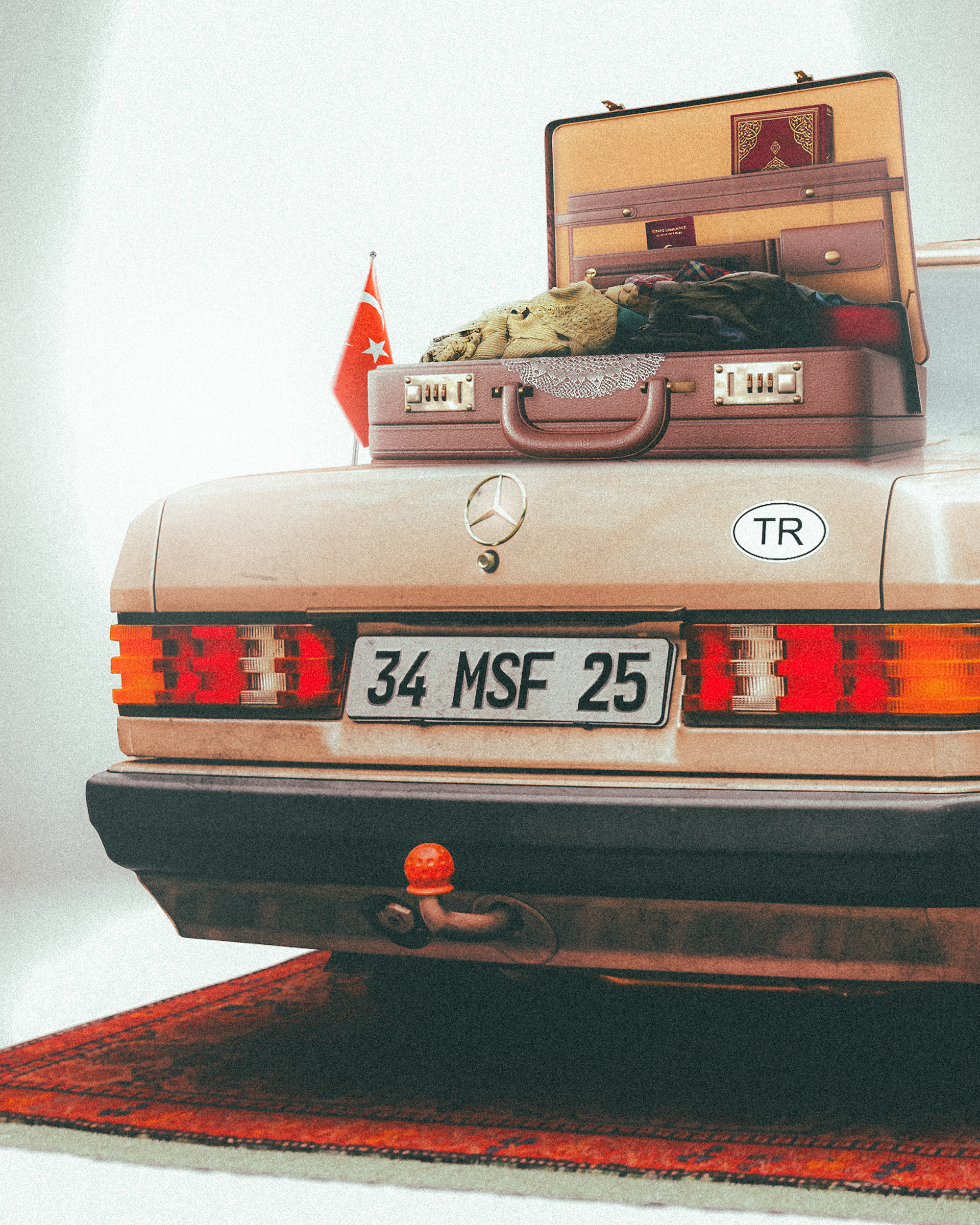
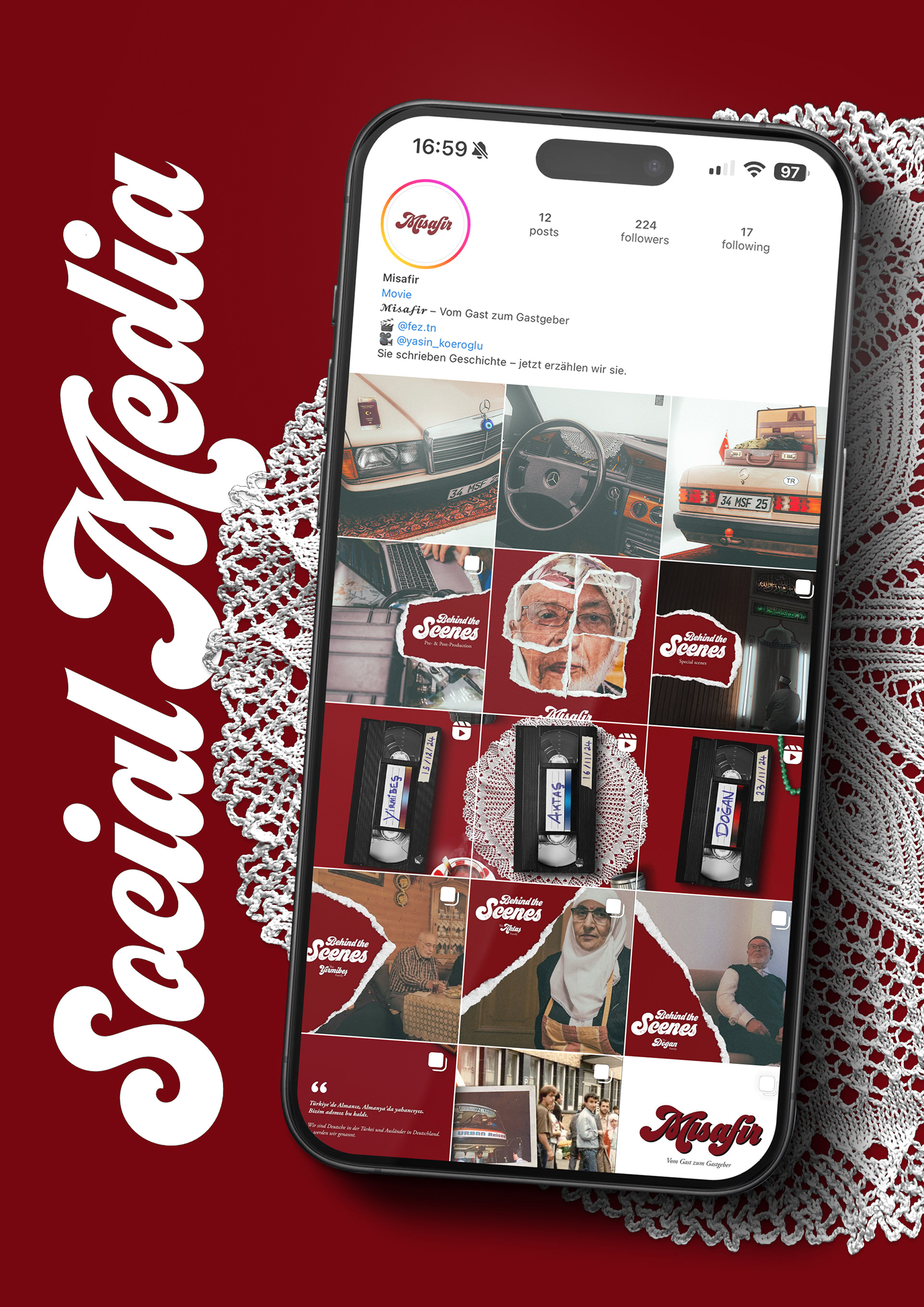
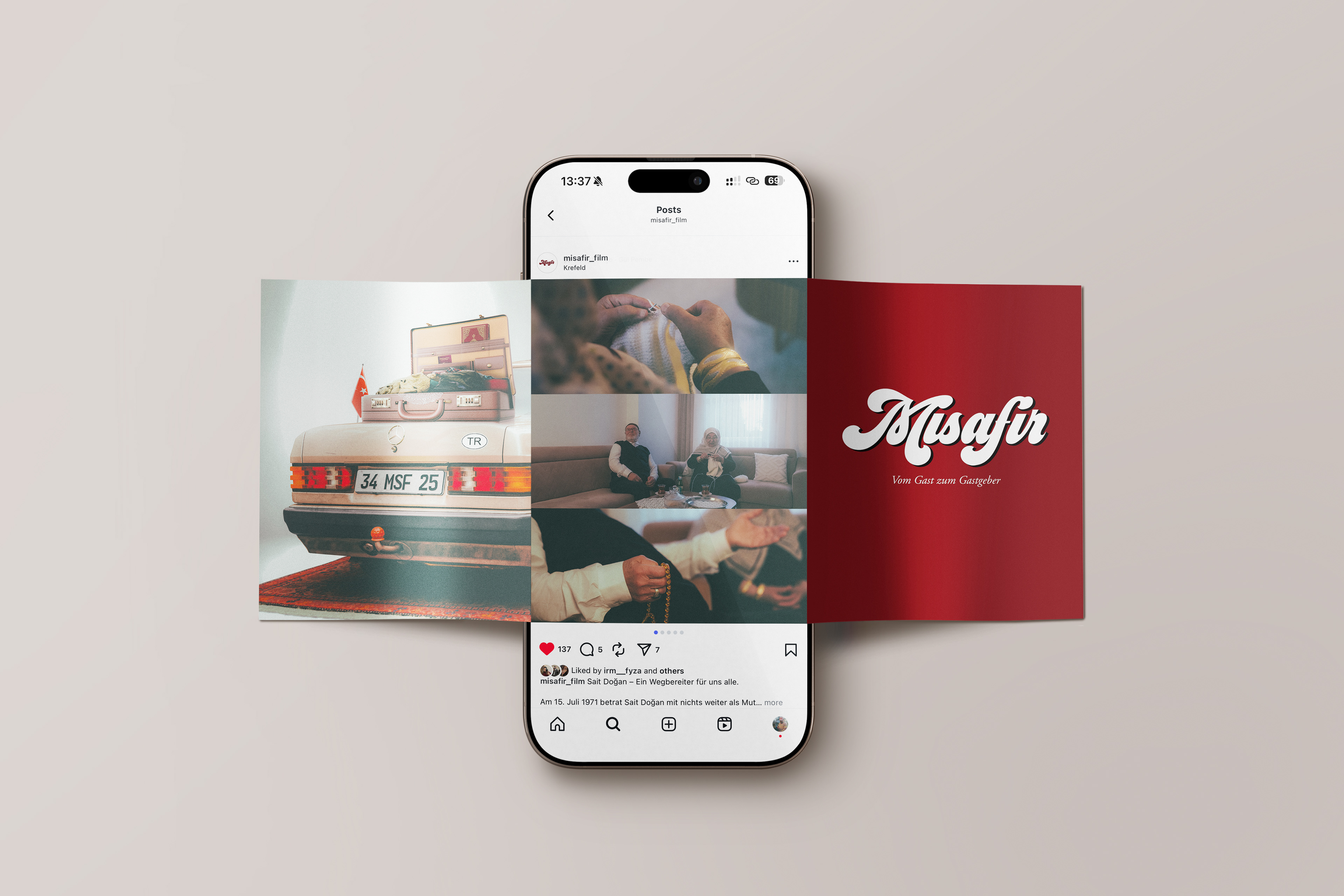
I created a full Instagram campaign for the film — by myself, from scratch. This included teaser posts, seamless carousel layouts, reels, quote graphics, and behind-the-scenes content. I used lace patterns, Turkish elements, and personal photos to create a warm and familiar feed.
The posts were always grouped in threes to form one cohesive grid. Stories included quizzes, interactive questions, and community dialogue — just like the film’s spirit.
PROCESS
The animated intro was designed by me. I worked with old archival images and brought them to life with subtle motion and transitions. It was important to respect the original material while adding a sense of presence — like giving memories a heartbeat.
I used animated masks and blending to transition smoothly between scenes. Each team member was credited within the animation. It was both nostalgic and modern.
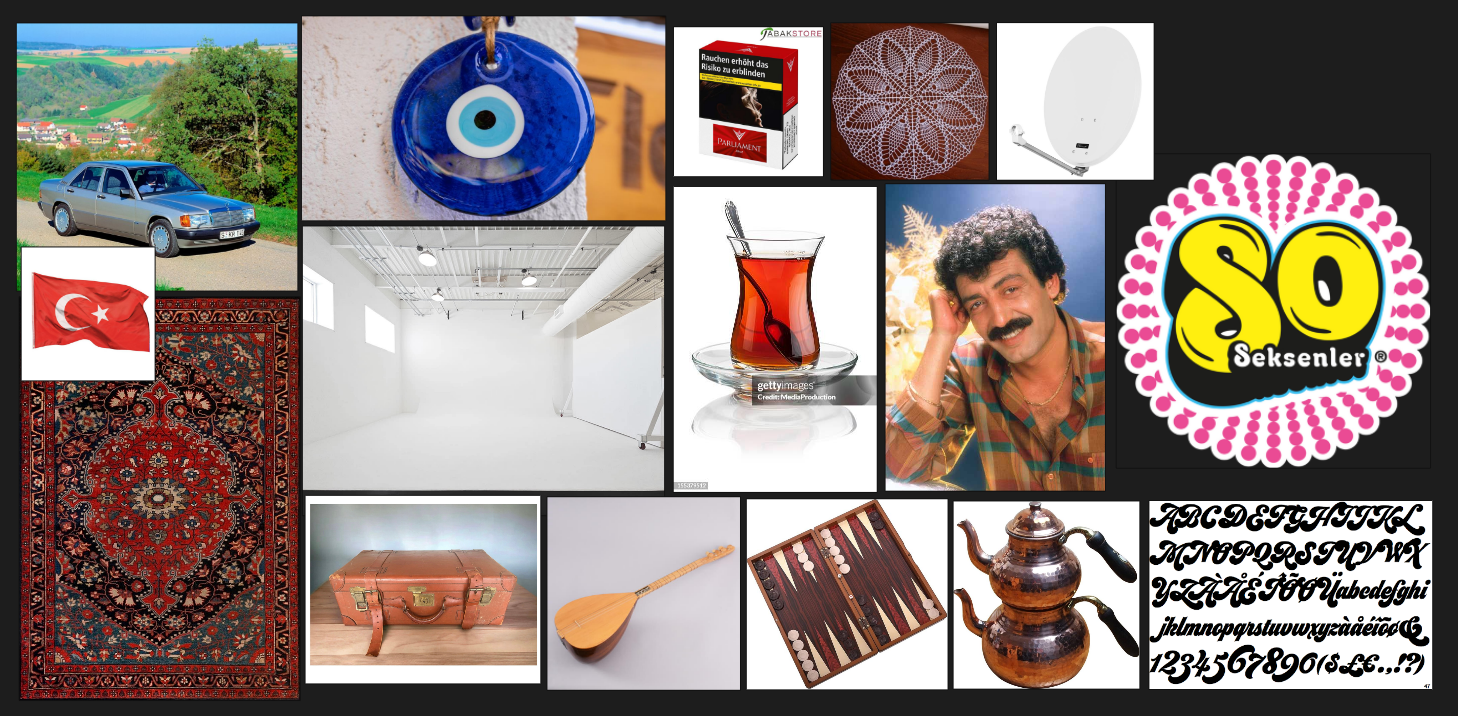
Mood board for the visual identity of the Film poster.
CHAPTER 8 — CinemaxX Premiere
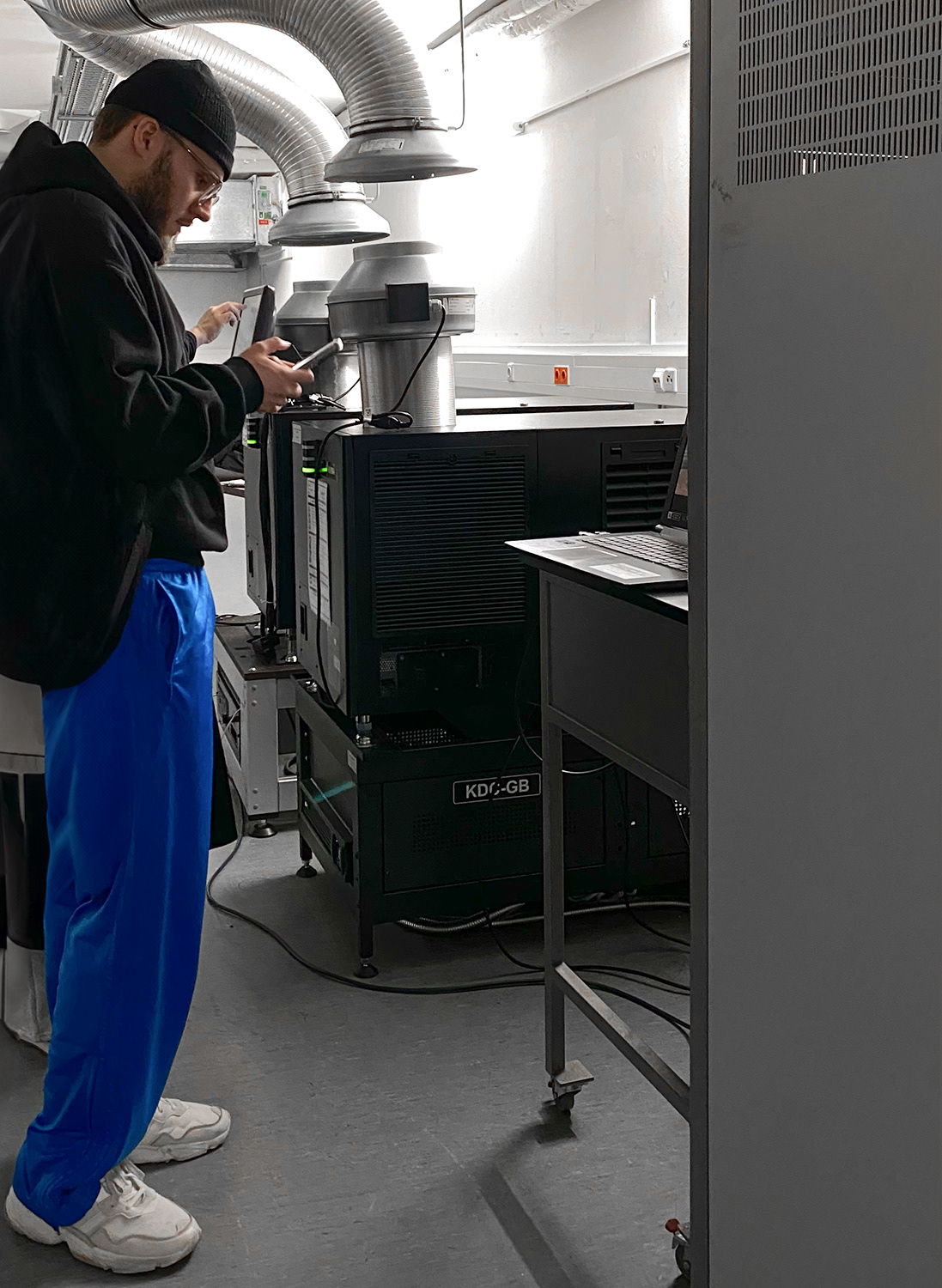
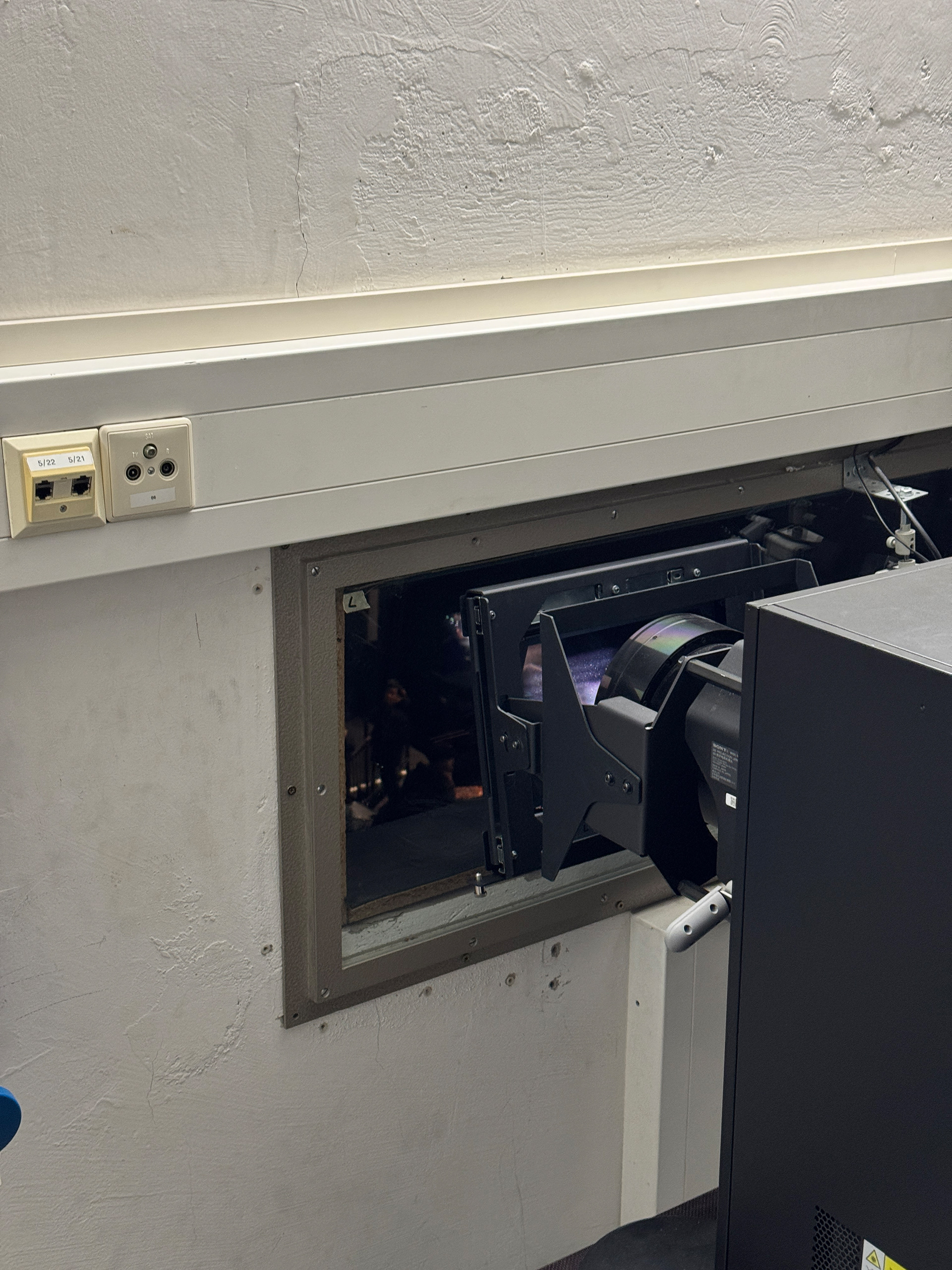
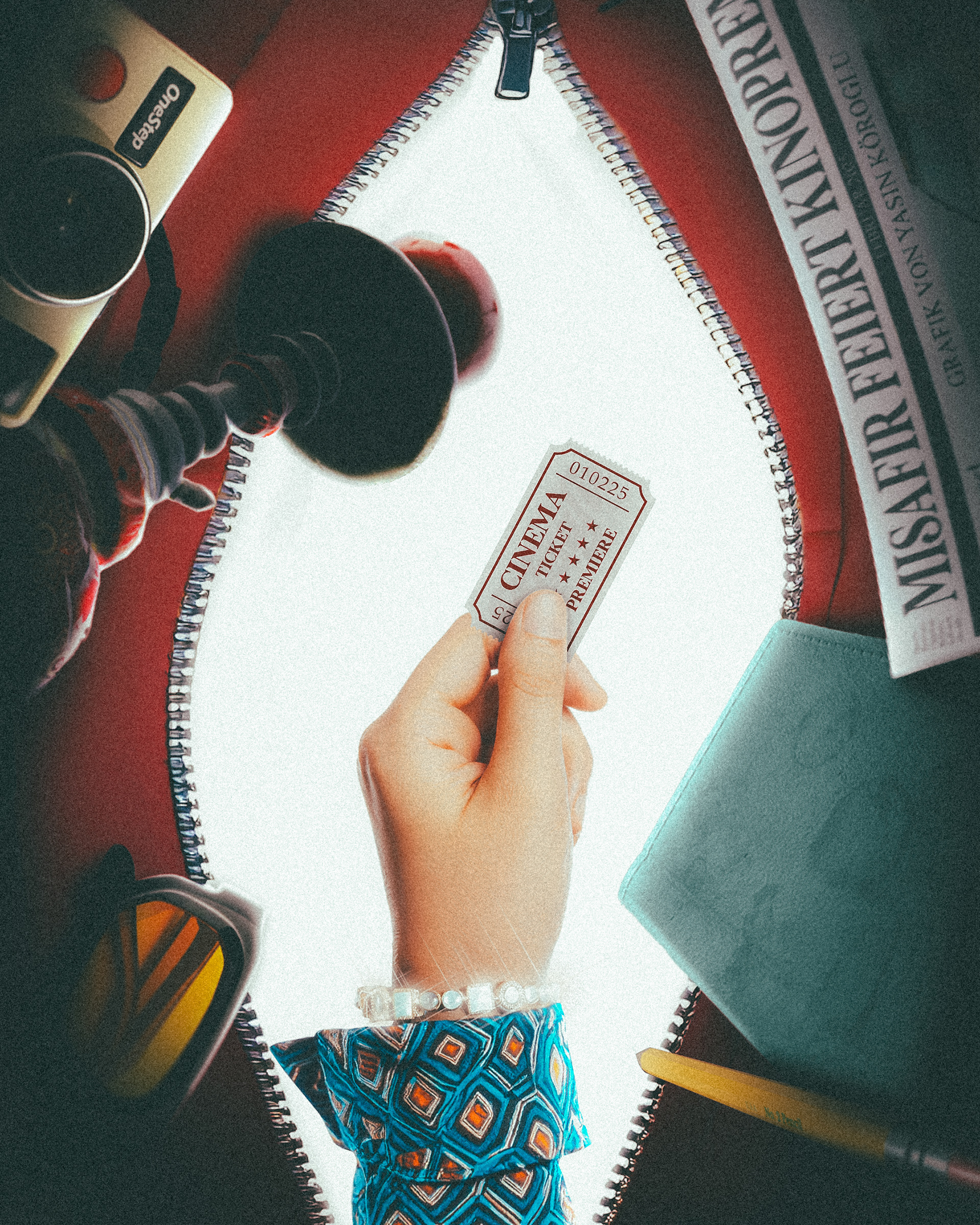
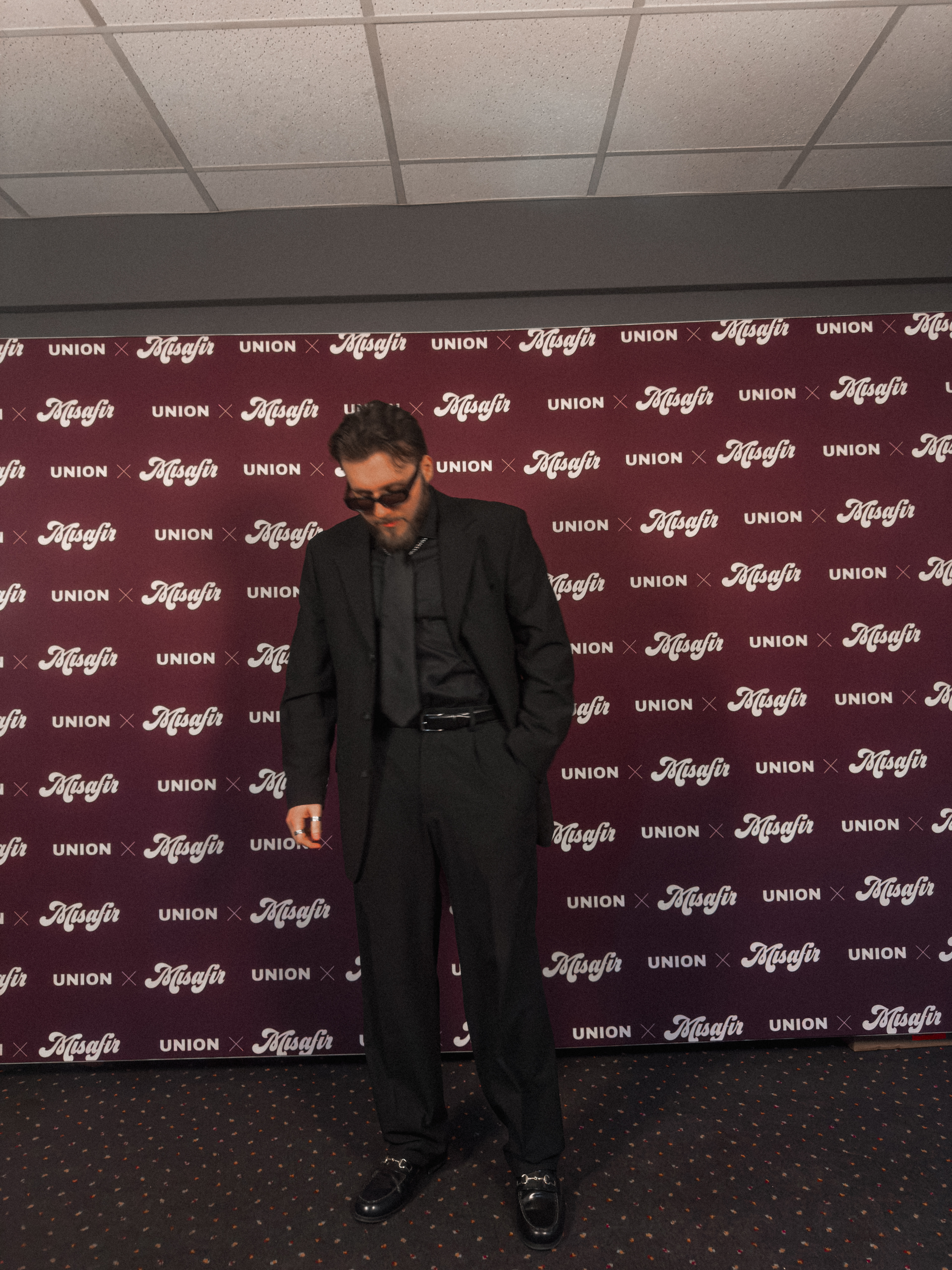
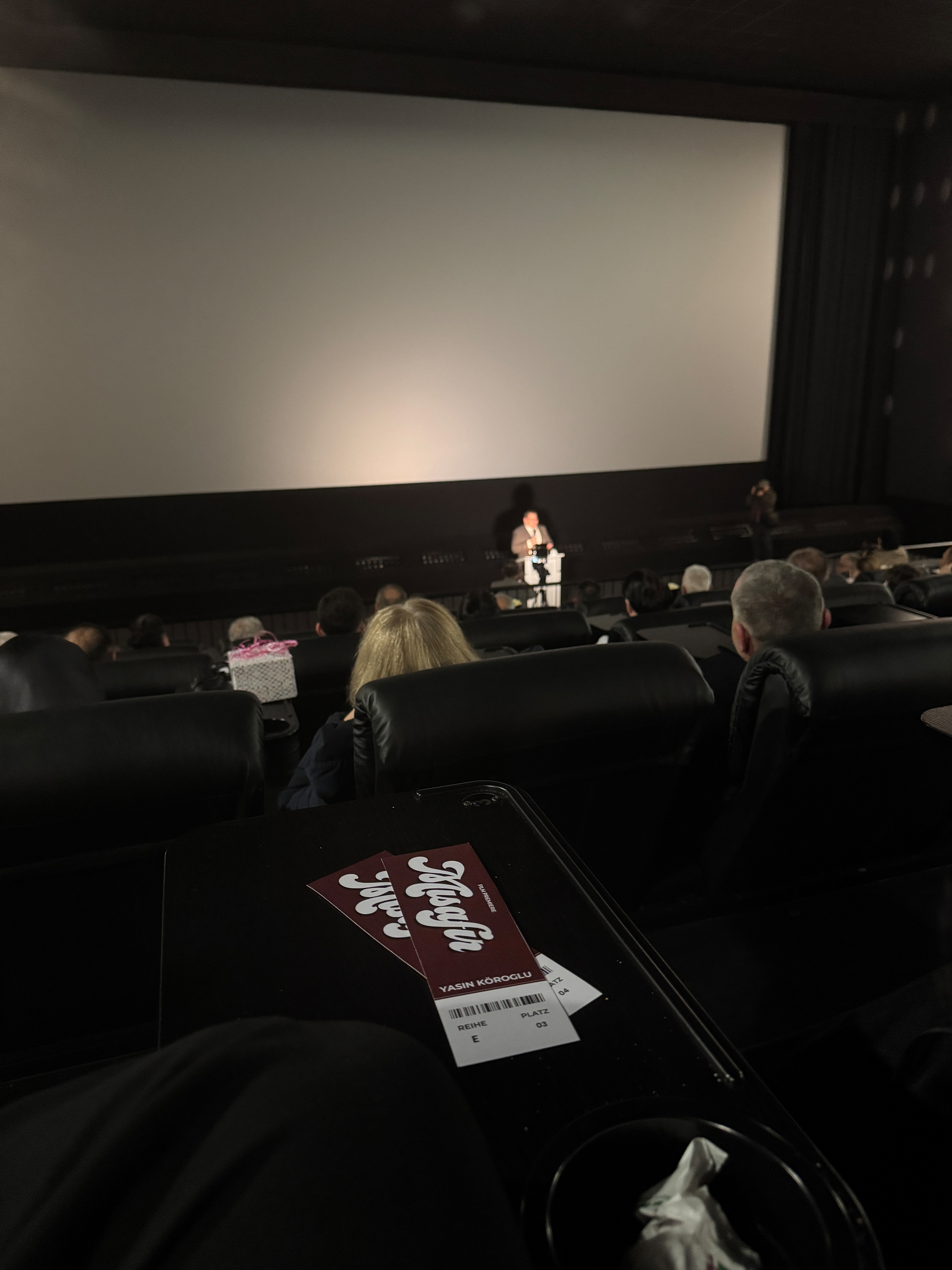
Seeing our film on a big screen was surreal. The premiere took place at CinemaxX Krefeld, organized in collaboration with the City of Krefeld and the Union of Turkish Associations. Guests included the mayor, our interviewees, friends, family, and cultural figures.
It was a private screening, but an unforgettable milestone. Hearing my name in the credits, seeing our story reach others — I’ll never forget that moment.
CHAPTER 9 — Reflections
“Misafir” was more than a project. It was a tribute to our families, our roots, and our community. It showed me what visual storytelling can do — how it connects, heals, remembers.
As a filmmaker, I learned how to lead, create, edit, and connect. As a person, I found pride in my heritage.
CREDITS:
A film by
FEYZA TAN & YASIN KÖROGLU
FEYZA TAN & YASIN KÖROGLU
UNION presents
“MISAFIR”
“MISAFIR”
Starring
SAIT
MENSURE DOGAN
FiRDEVS AKTAS
SAIT
MENSURE DOGAN
FiRDEVS AKTAS
Featuring
YIRMBES FAMILY
HAFIZ ISIK
YIRMBES FAMILY
HAFIZ ISIK
Written and Directed by
FEYZA TAN
FEYZA TAN
Co-directed by
YASIN KÖROGLU
YASIN KÖROGLU
Director of Photography & Post-Production
YASIN KÖROGLU
YASIN KÖROGLU
Executive Producer
SALIH TUFAN ÜNAL
SALIH TUFAN ÜNAL
Second Camera Operator
OKAN SELIM SÜRGET
OKAN SELIM SÜRGET
First Assistant Camera
HÜSEYIN BOSTANCI
HÜSEYIN BOSTANCI
Second Assistant Camera
NIRA AKTAS
NIRA AKTAS
Gaffer / Lighting
MOHEB ANWARI
MOHEB ANWARI
Sound Recording
HAKAN HÖKELEKLI
HAKAN HÖKELEKLI
Production Coordination
KEREM SEMIZ
KEREM SEMIZ
Photography
HATICE SAGLAM
IREM FEYZA AYTULUN
ILAYDA GÜNDOGDU
HATICE SAGLAM
IREM FEYZA AYTULUN
ILAYDA GÜNDOGDU
Casting Director
RABIA ÖZMEN
RABIA ÖZMEN
Assistant Directors
MERYEM SEMİZ
MÜBERRA BAYINDIR
MERYEM SEMİZ
MÜBERRA BAYINDIR
Graphic Design & Creative Director
YASIN KÖROGLU
YASIN KÖROGLU
This project was developed as part of my Bachelor’s degree in Communication Design and realized as a collaborative documentary film project.
All visual materials shown here represent my personal contributions (camera work, editing, grading, design & visual identity).
The full film is not published here.
All visual materials shown here represent my personal contributions (camera work, editing, grading, design & visual identity).
The full film is not published here.